

Transportation continues to represent one of the largest operational expenses within most supply chains. Rising fuel prices, labour shortages, vehicle maintenance costs, regulatory requirements and increasing customer expectations are placing significant pressure on logistics budgets across both the public and private sectors. At the same time, organisations are expected to deliver faster, more reliable and more sustainable services…
As a result, supply chain and logistics leaders are increasingly turning to technology, analytics and real-time data to identify efficiencies and reduce transportation costs without compromising service levels. The focus is shifting away from short-term cost-cutting and towards smarter, data-driven optimisation strategies.
Visibility Is the Foundation of Cost Control
Many organisations struggle to reduce transportation costs because they lack clear visibility into fleet and logistics performance. Without accurate data, it can be difficult to identify inefficiencies such as:
- unnecessary mileage;
- excessive vehicle idling;
- poor route planning;
- underutilised assets; and
- inconsistent driver behaviour.
Modern transportation management systems (TMS) and telematics platforms provide real-time operational visibility, helping organisations understand where costs are being incurred and where opportunities for improvement exist.
This visibility enables more informed decision-making and supports continuous performance improvement.
Route Optimisation Delivers Immediate Benefits
Route planning remains one of the most effective ways to reduce transportation expenditure. Advanced route optimisation tools can analyse factors such as:
- traffic conditions;
- delivery schedules;
- vehicle capacity;
- driver availability; and
- customer locations.
By identifying more efficient routes, organisations can reduce fuel consumption, vehicle wear and journey times while improving service reliability.
For organisations managing large fleets or complex delivery networks, even small improvements in route efficiency can generate significant annual savings.
Telematics and Driver Performance
Driver behaviour has a direct impact on transportation costs. Speeding, harsh braking, excessive idling and inefficient driving techniques can increase fuel consumption, maintenance costs and accident rates.
Telematics systems allow organisations to monitor driving performance and provide targeted coaching where required. Benefits may include:
- reduced fuel usage;
- improved vehicle lifespan;
- fewer accidents;
- lower insurance costs; and
- stronger compliance performance.
Many organisations are finding that driver engagement programmes supported by telematics data deliver measurable operational improvements.
Carrier and Fleet Utilisation Optimisation
Transportation efficiency is not only about individual vehicles. Supply chain leaders are increasingly analysing carrier performance and fleet utilisation data to identify opportunities for improvement. This may include:
- reducing empty running;
- improving load consolidation;
- reviewing carrier contracts;
- optimising vehicle allocation; and
- balancing in-house and outsourced transport resources.
The ability to measure performance consistently across transport networks is becoming a key competitive advantage.
Transportation Cost Reduction Checklist
When reviewing transportation expenditure, organisations should consider:
- Implementing real-time fleet visibility tools
- Reviewing route optimisation opportunities
- Monitoring fuel consumption and idling trends
- Introducing driver coaching programmes
- Benchmarking vehicle utilisation rates
- Reducing empty miles and inefficient journeys
- Reviewing carrier performance regularly
- Integrating telematics with fleet management systems
- Using predictive maintenance tools
- Establishing transportation performance KPIs
Product Guide: Solutions for Transportation Cost Optimisation
Transportation Management Systems (TMS)
- Oracle Transportation Management
- Descartes
- MercuryGate
- Blue Yonder TMS
- SAP Transportation Management
Fleet Telematics & Tracking
- Geotab
- Samsara
- Verizon Connect
- Webfleet
- Microlise
Route Optimisation Solutions
- OptimoRoute
- Paragon Routing
- Descartes Route Planner
- Route4Me
- Omnitracs
Delivery Analytics & Fleet Intelligence
- Power BI
- Tableau
- Qlik
- Geotab Analytics
- Samsara Insights
Cost Reduction Requires Continuous Optimisation
Transportation costs will remain a major focus for supply chain leaders as economic pressures, sustainability objectives and customer expectations continue to evolve.
By combining visibility, route optimisation, telematics and performance analytics, logistics teams can achieve meaningful cost reductions while improving service quality and operational resilience.
Transportation efficiency will increasingly be determined not by fleet size alone, but by how effectively organisations use data to make smarter logistics decisions.
Are you searching for Cost Reduction solutions for your organisation? The Total Supply Chain Summit can help!
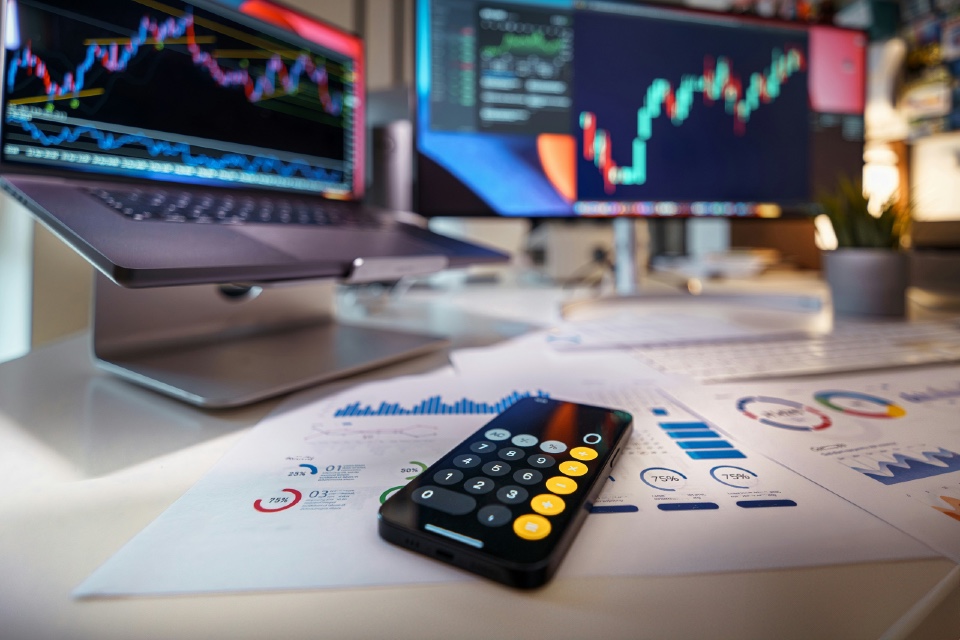
Photo by Jakub Żerdzicki on Unsplash