

Last-mile delivery remains one of the most challenging and important stages of supply chain management. As customer expectations continue to rise and sustainability targets become more demanding, last-mile delivery optimisation is helping organisations balance delivery speed, cost control and environmental performance. By adopting innovative technologies and smarter fulfilment strategies, supply chain professionals can improve operational efficiency while delivering a better customer experience. Here’s how delegates at the Total Supply Chain Summit are approaching this critical part of the logistics journey.
How Last-Mile Delivery Optimisation Improves Performance
Last-mile delivery optimisation focuses on making the final stage of the delivery journey faster, more efficient and more sustainable. Through better route planning, local fulfilment, improved communication and low-emission transport, organisations can reduce delivery costs while maintaining high service levels. As demand for rapid fulfilment continues to grow, optimising last-mile operations is becoming essential for long-term supply chain success.
1. Leverage Micro-Fulfilment Centres
Micro-fulfilment centres (MFCs) are transforming last-mile delivery by positioning inventory closer to customers. These smaller, strategically located facilities enable faster deliveries while reducing transport distances and associated costs. Retailers and ecommerce businesses are increasingly using urban fulfilment hubs to support same-day and next-day delivery services.
The addition of warehouse automation further improves efficiency by accelerating picking, packing and dispatch processes while reducing operational delays and labour costs.
2. Embrace Sustainable Delivery Methods
Sustainability is now a major consideration in last-mile logistics. Many organisations are replacing traditional diesel vehicles with electric vehicles (EVs), cargo bikes and hybrid fleets to reduce emissions and comply with low-emission zones across UK cities.
Businesses are also adopting consolidated delivery models, combining multiple deliveries into a single journey to improve vehicle utilisation, reduce fuel consumption and lower carbon emissions without compromising service levels.
3. Utilise AI-Driven Route Optimisation
Artificial intelligence (AI) is transforming delivery planning by analysing live traffic conditions, weather forecasts and delivery priorities to identify the most efficient routes.
AI-powered route optimisation helps reduce journey times, lower fuel costs and improve on-time delivery performance. Dynamic routing also allows drivers to respond quickly to changing conditions such as congestion, accidents or road closures, maintaining efficient operations throughout the day.
4. Offer Flexible Delivery Options
Modern consumers increasingly expect greater flexibility in how and when they receive deliveries. Offering parcel lockers, click-and-collect locations and evening or weekend delivery slots gives customers more choice while helping to reduce failed delivery attempts and improve overall operational efficiency.
5. Invest in Customer Communication
Clear communication plays a vital role in successful last-mile delivery. Real-time tracking, automated notifications and accurate delivery updates improve transparency throughout the delivery journey, reducing customer enquiries while increasing confidence and satisfaction.
Delivering Faster, Smarter and More Sustainably
Successful last-mile delivery optimisation requires organisations to balance speed, cost efficiency and sustainability. By investing in micro-fulfilment centres, low-emission transport, AI-powered route optimisation and better customer communication, supply chain professionals can improve delivery performance while controlling costs and reducing environmental impact. As customer expectations continue to evolve, efficient and sustainable last-mile delivery will remain a key competitive advantage.
Are you searching for transport and delivery solutions for your organisation? The Total Supply Chain Summit can help!
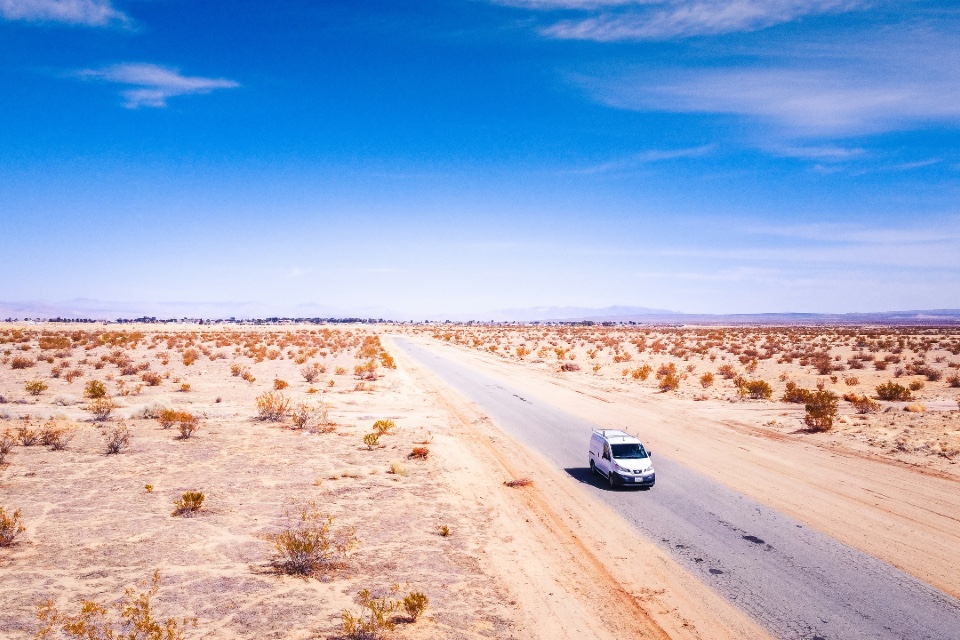
Photo by Brian Wangenheim on Unsplash