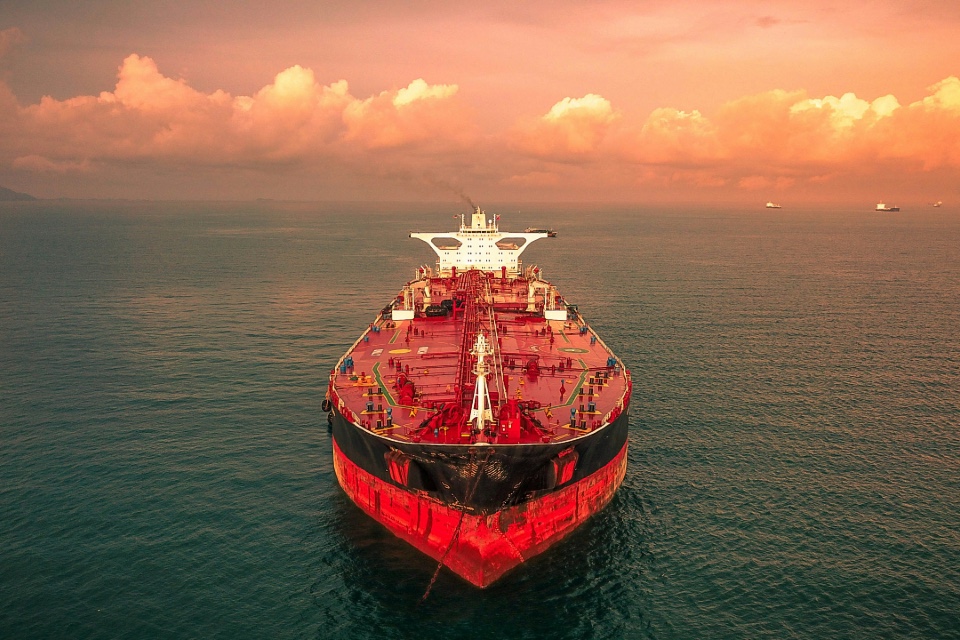


The Caroline Bezengi grounding and oil spill shows how shadow-fleet risk can build in plain sight. When an explosion was reported in June, the tanker was carrying close to one million barrels of crude. The damaged vessel later ran aground near Qabiliyah Island, where it became partly submerged. The resulting slick travelled across hundreds of square kilometres, entered a protected marine area and reached the Omani mainland.
Before the grounding, the vessel displayed several warning signs. It was 25 years old, sanctioned in several jurisdictions and tied to a complex ownership structure. Pole Star Global’s analysis found no identifiable protection and indemnity cover, while subsequent reporting described its insurance status as unclear. The vessel had stopped transmitting public AIS data after encountering difficulties off Yemen.
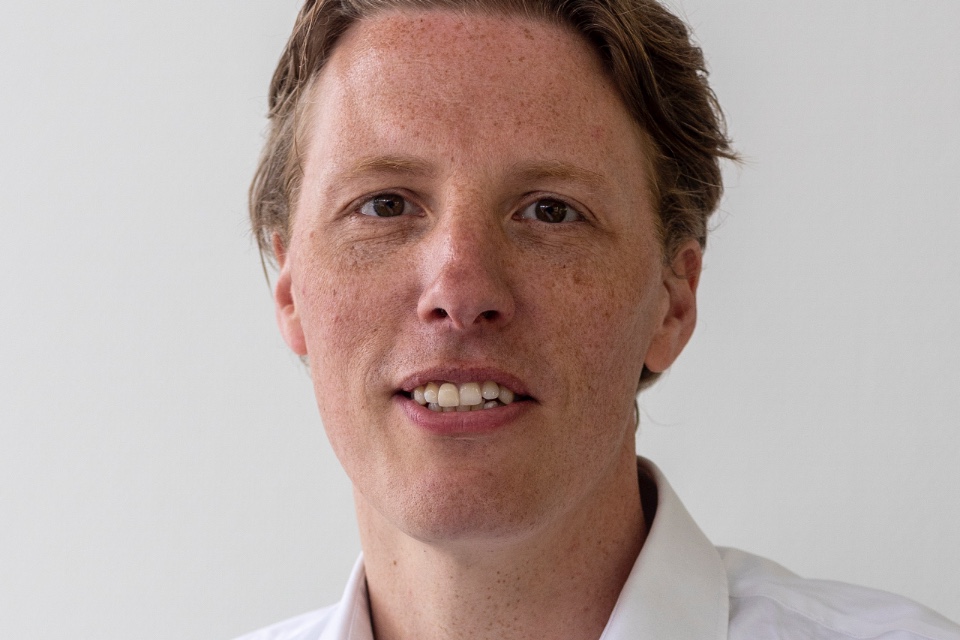
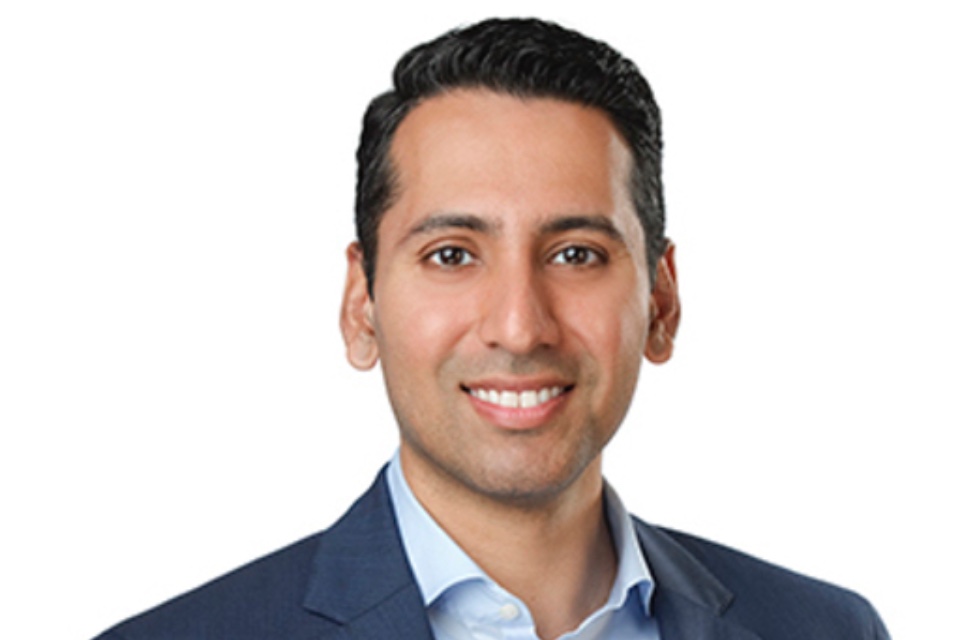
No single detail predicted the grounding. The significance here is that its risk profile developed over time. This incident illustrates the environmental exposure identified in wider research into ageing shadow-fleet tankers, as Saleem Khan (pictured), Chief Data & Analytics Officer at Pole Star Global, explains…
A sizeable risk within one fleet
Pole Star Global’s February 2026 research examined 29 Iranian-flagged crude tankers suspected of shadow-fleet activity, with a combined deadweight capacity of 6.75 million tonnes. Eighteen were more than 20 years old. Pole Star estimated that, if fully laden, this older group alone could carry approximately 28 million barrels of crude—roughly 30 cargoes on the scale reported aboard the Caroline Bezengi.
While the Caroline Bezengi was outside the Iranian-flagged sample, it shared several characteristics seen within it: advanced age, opaque ownership, uncertain insurance and interrupted AIS reporting. Russian and Venezuelan-linked fleets also fell outside the study, making the figures a narrow view of a much wider exposure.
Vessel age is only the starting point. Concern increases when an older vessel also has a patchy inspection record, frequent changes of flag or ownership, unverified cover or unexplained periods off AIS. Unusual routing and ship-to-ship transfers can add to that profile.
Such details tend to accumulate over months or years. Reading them as a connected history can reveal both a more concerning operational risk and weaknesses in the arrangements meant to deal with its consequences.
The protection gap
Sanctions screening answers whether an organisation may deal with a sanctioned vessel or counterparty. However, it says little about the ship’s physical condition, the credibility of its insurer or the owner’s ability to meet a pollution claim.
The IMO’s Civil Liability Convention places responsibility for tanker pollution on the shipowner and requires vessels carrying more than 2,000 tonnes of oil to maintain insurance or other financial security. Eligible claims may also fall within the IOPC Funds regime when compensation from the owner or insurer is unavailable or insufficient.
The system relies on an owner and insurer that can be identified and pursued. Recovery becomes harder when ownership ends with a shell company holding few assets or the validity of the cover remains uncertain.
Oil in the water demands an immediate response. Local or national authorities may have to arrange the clean-up and seek reimbursement later from the owner, insurer or Fund. Authorities may therefore carry the early clean-up costs. Fisheries, ports and tourism businesses face the disruption immediately.
Past IMO warnings about the shadow fleet focus on the same fault lines: ageing ships, opaque ownership, poor maintenance and weak insurance. These factors increase the chance of collision or pollution and can leave coastal states or compensation funds pursuing an owner that is difficult to identify or has little capacity to pay. By the time that burden materialises, the opportunity for prevention has passed. The practical question is how to recognise the changing risk earlier?
Why persistent monitoring matters
A vessel assessment begins to date as soon as it is completed. Ownership, flag, management and insurance may all change during a commercial relationship. A detention, sanctions designation, unexplained AIS gap or unusual movement can alter the risk profile again.
Persistent monitoring places those developments in context. Insurers and compliance teams can judge whether new information adds to existing concerns. Banks, charterers and traders can revisit commercial decisions. Ports can identify vessels requiring closer inspection, while coastal authorities can use movement data to inform contingency planning.
Every alert does not require a rejection. Some changes will have a straightforward explanation; others will justify further evidence, closer monitoring or a different underwriting or commercial decision. What matters is recognising when the overall profile has deteriorated while there is still time to act.
Conclusion
The Caroline Bezengi did not become a high-risk vessel at the moment it grounded. Its risk profile had developed across records created in different places and at different times.
Maritime intelligence is valuable because it brings that history into view while decisions can still be changed. A deteriorating risk profile can then prompt questions, closer monitoring or a different commercial decision before the consequences are measured in spilled oil.