


Efficient delivery management is a critical aspect of supply chain operations, particularly in retail, where customer satisfaction depends on timely, accurate deliveries. As customer expectations continue to rise, delivery management software is becoming an essential tool for improving delivery visibility, strengthening operational control and ensuring orders arrive on time. For supply chain professionals looking to optimise this area of their operations, here are some practical tips for building an efficient delivery management system.
How Delivery Management Software Improves Retail Delivery
Delivery management software gives retailers greater visibility over every stage of the delivery journey, from order processing through to final delivery. By connecting inventory, logistics and customer communications within a single platform, organisations can make faster decisions, improve operational control and provide customers with accurate, real-time updates. The result is a more efficient delivery operation that supports both customer satisfaction and business performance.
Understand Your Supply Chain End-to-End
A thorough understanding of your supply chain is essential. This includes knowing your suppliers, inventory, storage facilities and distribution channels. A clear view of the entire process helps identify bottlenecks, improve delivery visibility and uncover opportunities to increase operational efficiency.
Implement an Integrated Management System
Use a robust supply chain management system that integrates key aspects of delivery management, including inventory management, order processing and logistics. Integrated systems provide real-time visibility and greater operational control, enabling quicker decision-making and more effective delivery management.
Optimise Inventory Levels
Efficient inventory management plays a major role in successful deliveries. Excess stock increases storage costs, while insufficient stock can lead to shortages and delayed orders. Techniques such as Just-in-Time (JIT) inventory management and ABC analysis can help maintain optimal stock levels while supporting reliable fulfilment.
Leverage Technology for Real-Time Tracking
Customers increasingly expect accurate, up-to-date delivery information. Implement technology that provides real-time tracking for both your internal teams and customers, improving transparency while helping to manage expectations throughout the delivery process.
Establish Clear Communication Channels
Strong communication between suppliers, warehouse teams, logistics partners and customers is essential. Ensure clear communication channels are in place so information flows efficiently between everyone involved, helping to minimise delays and improve service levels.
Focus on Route Optimisation
Route optimisation software can significantly improve delivery performance by considering factors such as traffic conditions, travel distance and delivery time windows. Optimised routes reduce journey times, lower fuel consumption and improve on-time delivery rates.
Build Strong Relationships with Logistics Partners
Working closely with reliable logistics partners strengthens delivery performance and operational resilience. Partners that understand your delivery objectives and can adapt to changing demand are better positioned to support consistent customer service.
Regularly Review and Adapt Your Strategies
Retail continues to evolve, and delivery management strategies should evolve with it. Regularly review your processes in response to changing customer expectations, market conditions and technological developments to maintain an efficient delivery operation.
Train Your Team Regularly
Provide ongoing training for warehouse staff, drivers and operational teams to ensure they remain confident using the latest delivery management systems and best practices. A knowledgeable workforce is key to maintaining efficient day-to-day operations.
Prioritise Sustainability
Sustainability is becoming an increasingly important part of delivery management. Consider initiatives such as eco-friendly packaging, route optimisation to reduce carbon emissions and the adoption of electric or hybrid delivery vehicles to improve environmental performance alongside operational efficiency.
Delivering Better Customer Outcomes
Efficient retail delivery management depends on end-to-end visibility, strong operational control and the ability to respond quickly to changing customer demands. By combining delivery management software with integrated systems, real-time tracking, effective communication and continuous process improvement, supply chain professionals can create delivery operations that improve customer satisfaction while driving greater efficiency across the supply chain.
Are you on the hunt for delivery management solutions for your organisation? The Total Supply Chain Summit can help!
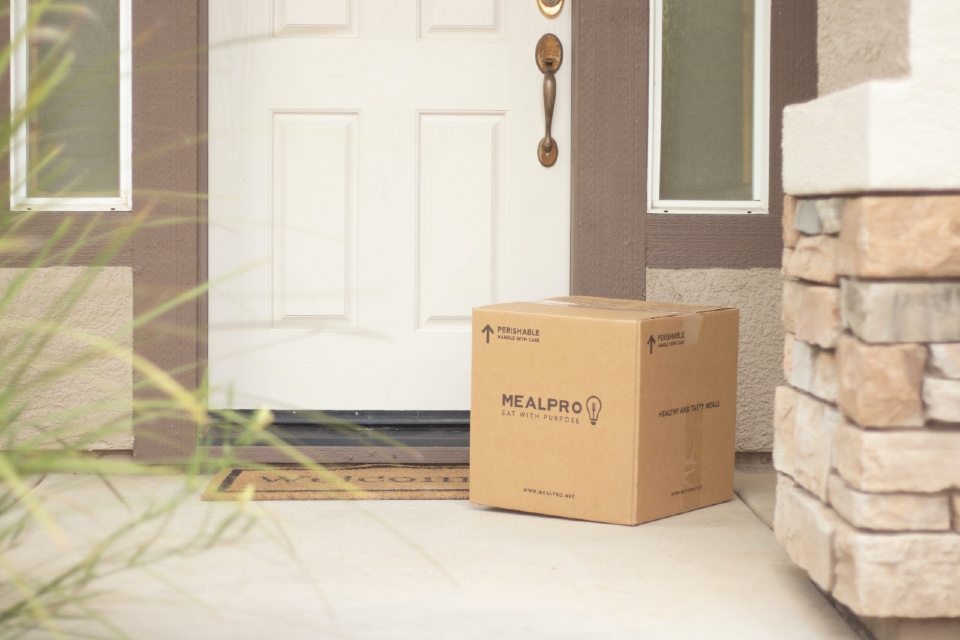
Photo by Erda Estremera on Unsplash