


Supply chain pressures are forcing organisations to rethink how they manage warehousing, transport and distribution. Rising energy costs, driver shortages, tighter sustainability targets and fluctuating demand have made standalone facilities harder to justify, particularly for businesses with seasonal or variable volumes. As a result, multi-client warehousing is becoming an increasingly attractive solution, helping organisations reduce costs while improving flexibility and operational resilience.
How Multi-Client Warehousing Reduces Cost Pressure
Multi-client warehousing enables organisations to share facilities, transport networks and operational resources rather than investing in dedicated infrastructure. By spreading costs across multiple businesses, this collaborative model improves warehouse utilisation, increases logistics efficiency and provides greater flexibility during periods of changing demand. It is quickly becoming a key strategy for organisations looking to strengthen supply chain resilience while controlling operational costs.
In response, a growing number of organisations are turning to multi-client logistics hubs: shared distribution centres and transport networks that pool resources, infrastructure and data across multiple businesses. This collaborative approach is fast becoming a key driver of cost efficiency, resilience and ESG compliance.
A Smarter Use of Space and Cost
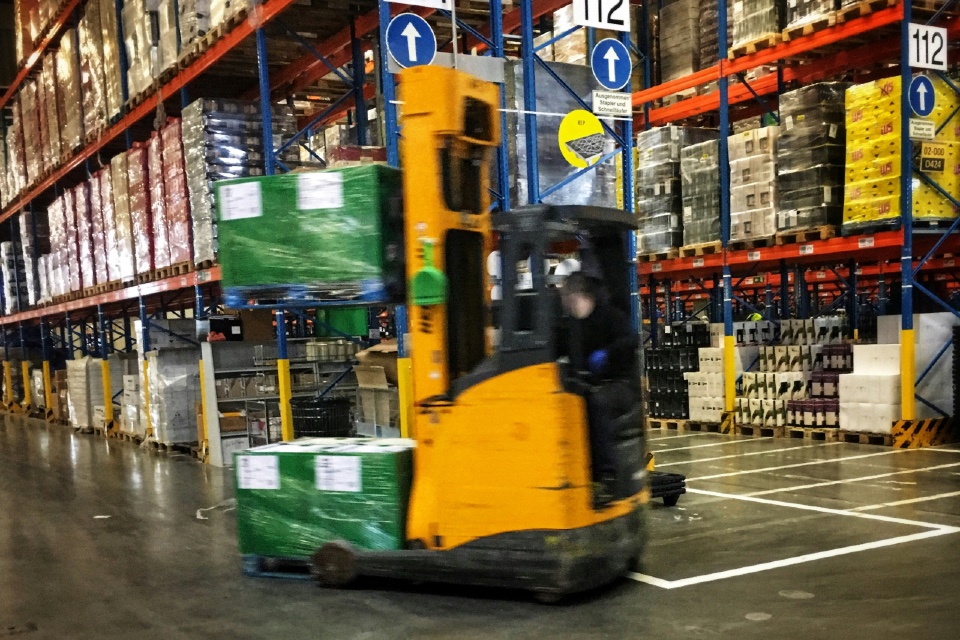
Traditional single-client warehouses often operate below capacity, particularly during quieter periods. Multi-client hubs enable logistics providers to consolidate multiple supply chains within a single facility, improving warehouse utilisation and significantly reducing operational costs per pallet or square foot.
Shared warehousing also allows organisations to access strategically located facilities near ports, cities and major transport corridors without the capital investment required to own or lease an entire warehouse.
Collaboration as a Competitive Advantage
Some of the greatest efficiencies come from shared transport networks. By consolidating shipments across multiple clients, logistics providers can optimise routing, reduce empty miles and improve vehicle utilisation. This delivers benefits including:
- Lower fuel costs
- Reduced emissions
- Faster delivery windows
- Improved capacity planning
For organisations under increasing pressure to demonstrate sustainability progress, collaborative logistics offers a practical way to reduce emissions without the need for fleet ownership or significant capital investment.
Risk Reduction Through Shared Infrastructure
Multi-client hubs also strengthen supply chain resilience. If one organisation experiences a surge in demand or disruption within its supply chain, shared infrastructure allows capacity to flex more easily. This reduces reliance on fixed facilities while spreading operational risk across a broader logistics network.
Third-party logistics (3PL) and fourth-party logistics (4PL) providers can also deploy shared labour, automation and digital technologies more efficiently across multiple clients, delivering economies of scale that are often difficult for standalone warehouses to achieve.
Technology as the Enabler
Modern logistics hubs are powered by connected digital platforms that bring together inventory tracking, demand forecasting and route optimisation in real time. This level of visibility allows organisations using shared warehousing to maintain the same operational oversight they would expect from a dedicated facility while benefiting from greater flexibility and improved cost efficiency.
The Future of Collaborative Logistics
As economic pressures and regulatory requirements continue to evolve, multi-client logistics hubs are set to become an increasingly important part of supply chain strategy. Organisations that embrace shared warehousing and collaborative logistics models will be better positioned to reduce costs, improve resilience and build more efficient supply chains for the future.
Are you searching for 3PL and 4PL solutions for your organisation? The Total Supply Chain Summit can help!
Photo by Vardan Papikyan on Unsplash