


For supply chain and logistics leaders in e-commerce and retail, forecasting has become significantly more complex. Traditional demand planning models built on historical trends and predictable patterns are being tested by ongoing disruption, geopolitical instability and rapidly shifting consumer behaviour. From trade policy changes and shipping delays to inflationary pressures and demand volatility, organisations must now plan for a wider range of scenarios, often with less certainty…
Moving beyond historical models
Historically, forecasting has relied heavily on past sales data to predict future demand. While still important, this approach is increasingly insufficient in a landscape shaped by external shocks and non-linear demand patterns.
E-commerce businesses are now incorporating a broader range of inputs into their forecasting models, including macroeconomic indicators, promotional activity, supplier lead times and even geopolitical developments that may impact supply routes or costs.
This shift allows organisations to build a more dynamic and responsive view of demand.
Scenario planning and flexibility
Rather than relying on a single forecast, many organisations are adopting scenario-based planning. This involves modelling multiple potential outcomes, such as supply delays, cost increases or sudden demand spikes, and preparing contingency plans for each.
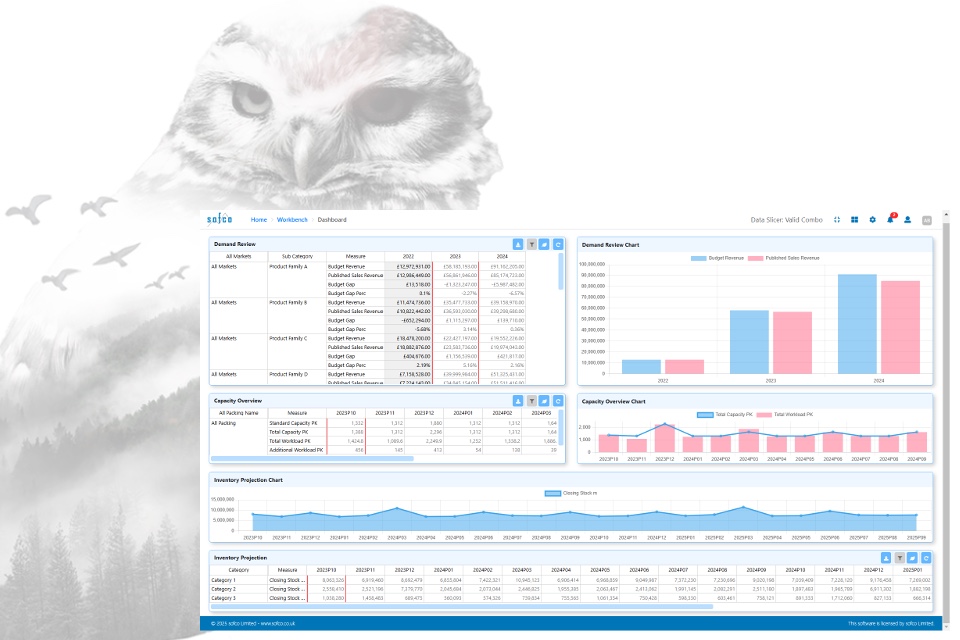
For example, retailers may plan for best-case, expected and worst-case demand scenarios, aligning inventory, warehousing and transport strategies accordingly.
This approach enables faster decision-making when conditions change and helps reduce the risk of overstocking or stockouts.
Integrating supply and demand signals
A key challenge in e-commerce is aligning demand forecasts with supply realities. Disruptions to shipping routes, port congestion or supplier constraints can quickly invalidate even the most accurate demand predictions.
To address this, organisations are improving end-to-end visibility, integrating supplier data, logistics updates and inventory levels into forecasting processes. This allows planners to adjust forecasts in real time based on what is actually achievable.
Leveraging advanced analytics
Advanced analytics and AI are playing an increasingly important role in modern forecasting. Machine learning models can analyse large volumes of data, identify patterns and adjust forecasts dynamically as new information becomes available.
However, technology alone is not a silver bullet. Human oversight remains critical to interpret results, challenge assumptions and incorporate context that algorithms may not fully capture.
Building resilience into planning
Ultimately, forecasting in today’s environment is less about predicting a single outcome and more about building resilience into the supply chain.
For e-commerce logistics leaders, success lies in combining better data, flexible planning and closer collaboration with suppliers and partners. In an uncertain world, the organisations that can adapt their forecasts quickly (and act on them decisively) will be best positioned to maintain service levels and protect margins.
Are you searching for supply chain Forecasting solutions for your organisation? The Total Supply Chain Summit can help!
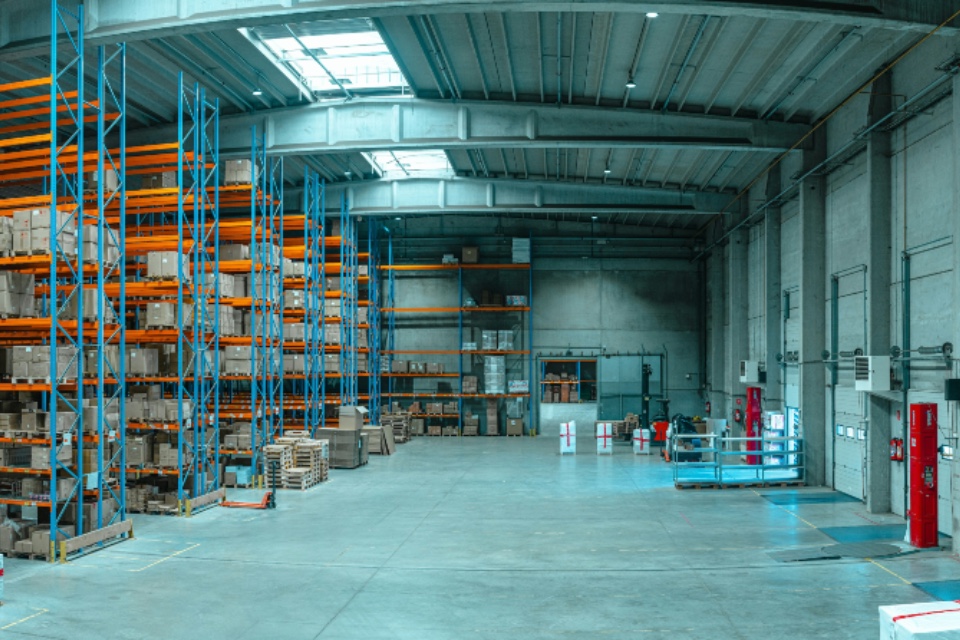
Photo by Money Knack on Unsplash