


As environmental pressures intensify and net zero deadlines loom, supply chain leaders across the public and private sectors attending the Total Supply Chain Summit are placing greater emphasis on sustainable logistics. The challenge is clear: how can organisations reduce emissions without compromising service levels or operational efficiency? The good news is that sustainability and performance are no longer competing priorities. With the right strategies, businesses can achieve both while building more resilient logistics operations.
How Sustainable Logistics Balances Efficiency and Net Zero
Sustainable logistics is about reducing the environmental impact of supply chain operations while maintaining efficiency, reliability and cost-effectiveness. From low-emission transport and energy efficient warehousing to smarter packaging and data-driven decision-making, organisations are finding practical ways to lower carbon emissions without sacrificing operational performance. As sustainability expectations continue to grow, these approaches are becoming central to long-term logistics strategy.
Reducing Transport Emissions
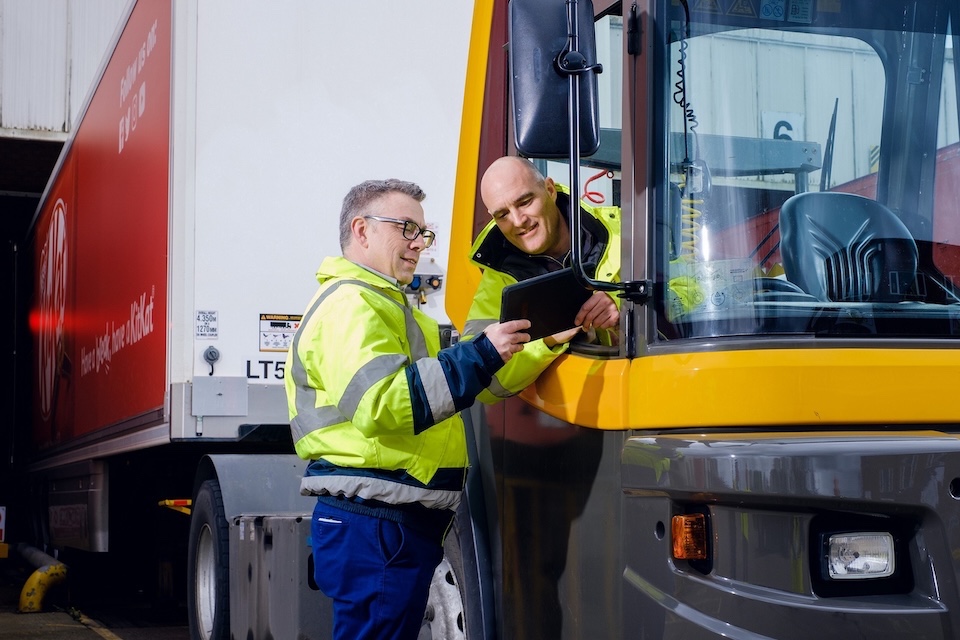
Transport remains one of the largest contributors to supply chain emissions, particularly during last-mile delivery, which is often the most carbon-intensive stage of the logistics journey. To reduce their environmental impact, many organisations are investing in low-emission vehicle (LEV) fleets, including electric vans and HVO-powered HGVs. Supermarkets, postal services and local authorities are already deploying electric delivery vehicles supported by smart route optimisation systems that reduce mileage, idle time and fuel consumption.
Many organisations are also adopting modal shift strategies by moving freight from road to rail or water where practical. Rail freight, in particular, can deliver significant carbon savings for long-distance distribution, especially when integrated with electric intermodal hubs.
Improving Warehouse Efficiency
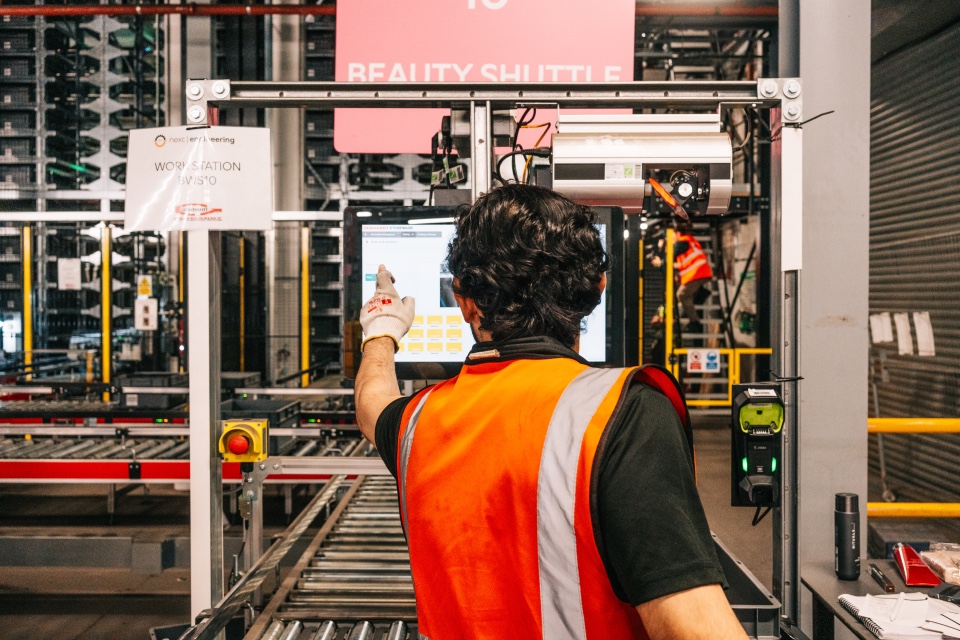
Warehousing presents another major opportunity to improve sustainability while reducing operating costs. Retrofitting facilities with solar panels, LED lighting and energy efficient HVAC systems is becoming increasingly common. Some operators are also progressing towards net zero warehousing by installing battery storage, introducing electric forklifts and sourcing 100% renewable electricity.
These improvements not only reduce emissions but also contribute to greater long-term operational efficiency.
Rethinking Packaging
Packaging is also evolving as organisations seek to reduce waste and improve logistics efficiency. Retailers and manufacturers are adopting circular packaging solutions such as reusable crates, collapsible pallets and biodegradable materials that help lower both waste and costs.
Innovations including right-size packaging and automated packing systems also minimise unused space within parcels, improving vehicle fill rates and reducing carbon emissions per shipment.
Using Data to Drive Better Decisions
Data is becoming a vital tool for improving sustainable logistics. Advanced analytics platforms allow supply chain teams to monitor carbon emissions by route, product and customer, providing the visibility needed to make more informed operational decisions. Greater insight enables organisations to identify opportunities to improve efficiency while supporting measurable carbon reduction targets.
Building Resilient, Low-Carbon Supply Chains
The transition to sustainable logistics is about far more than reducing emissions. It also strengthens long-term resilience, enhances brand reputation and helps organisations meet increasingly demanding procurement requirements. Carbon reduction is now an important consideration in many public sector tenders and major business contracts, making sustainability a competitive advantage as well as an environmental responsibility.
For supply chain leaders, the message is clear: reducing emissions does not require compromising operational performance. By investing in smarter transport, energy efficient facilities, sustainable packaging and data-driven decision-making, organisations can build efficient, resilient logistics operations while making meaningful progress towards their net zero commitments.
Are you searching for logistics and operations management solutions for your organisation? The Total Supply Chain Summit can help!
Photo by Lance Asper on Unsplash