



As the holiday shopping season rapidly approaches, shippers and carriers are once again preparing to tackle the logistical and customer service challenges that inevitably accompany peak trading periods. Effective logistics planning is becoming more important than ever as businesses contend with ongoing supply chain disruption, geopolitical uncertainty and rising customer expectations. Retailers must balance fast, convenient and reliable deliveries with real-time communication, all while maintaining operational efficiency. To paraphrase Game of Thrones, winter is certainly coming.
Why Logistics Planning Matters Before Peak Season
Successful peak season performance depends on strong logistics planning long before demand begins to rise. By strengthening end-to-end supply chain visibility, improving transport coordination and investing in digital tools, retailers can reduce disruption, improve delivery performance and prepare their operations for seasonal demand. Proactive planning not only supports customer satisfaction but also helps organisations remain agile when unexpected challenges arise.
Shippers, carriers and customers alike are familiar with the pressures that build in the months leading up to Christmas. With Black Friday, Christmas and Boxing Day sales fast approaching, alongside the potential for unexpected delays and disruption, the risk of operational strain is significant. However, proactive planning and better-organised transportation operations can help minimise these risks, ensuring retailers are well prepared to deliver a seamless peak season.
The need for intelligent, responsive delivery solutions has never been greater. Transportation Management Platforms (TMPs) are becoming a key enabler, allowing organisations to optimise delivery times, improve agility and streamline both sustainability and operational costs while continuing to meet rising consumer expectations.
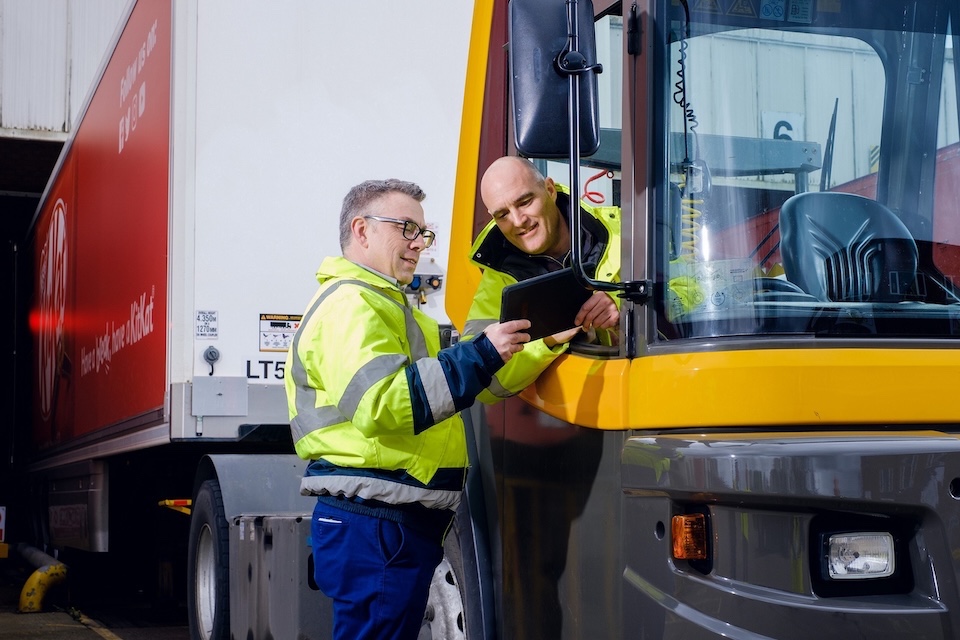
In this article, Christian Dolderer (pictured above), Head of Market Intelligence Europe Road & Intermodal at Transporeon, explains why retailers should prepare a seamless end-to-end supply chain ahead of the peak trading season.
The Beauty of Data
Shippers and carriers face a constant balancing act between controlling costs and meeting increasingly demanding customer expectations. An empty shelf is not simply a missed sale; it is often enough to encourage customers to switch to a competitor. Organisations looking to maximise value must therefore build resilience against disruptions that, according to McKinsey, are becoming increasingly frequent.
Creating the right balance between efficiency and resilience begins with digitisation. Many transport operations still rely too heavily on manual processes, spreadsheets and time-consuming route searches. These outdated approaches consume valuable resources while limiting operational visibility and responsiveness.
Instead, organisations should focus on using their data to support real-time, automated decision-making. By combining historical trends with live operational data and predictive insights, businesses can optimise transport planning, respond more quickly to changing customer demand and adapt to unexpected events such as border closures or severe weather.
Data also creates greater operational consistency across complex supply chains. Everyday products, such as toilet rolls, may travel from warehouses across multiple countries before reaching hundreds or even thousands of destinations. These shipments often involve international borders, changing traffic conditions and coordination with numerous transport providers. Data provides the visibility needed to connect these moving parts and keep operations running efficiently.
By investing in a smart Transportation Management Platform, shippers and carriers can improve operational efficiency, strengthen profitability and enhance peak season readiness. However, real value comes from using these platforms to enable smarter decision-making rather than simply automating existing processes.
We’re Better Together
Collaboration becomes even more valuable during peak trading periods. There is little benefit in trucks travelling hundreds of empty miles when suitable vehicles may already be operating nearby. By strengthening connections between shippers, carriers and logistics partners, organisations can improve asset utilisation, reduce unnecessary journeys and increase overall transport efficiency.
Connecting shippers, receivers, logistics providers, brokers, freight forwarders and carriers through shared digital platforms helps create a more collaborative transport ecosystem. Standardised processes and greater interoperability allow organisations to identify new commercial opportunities while improving operational efficiency.
This collaborative approach also strengthens resilience and agility across the transport network, both of which remain essential during periods of heightened demand, as highlighted in the 33rd Annual State of Logistics report.
Conclusion
Preparing for peak season starts well before customer demand begins to rise. Strong logistics planning, combined with closer collaboration, digital technology and real-time operational visibility, enables retailers, shippers and carriers to build more resilient end-to-end supply chains. By investing in connected transport networks and data-driven decision-making, organisations can improve retail readiness, meet customer expectations and navigate the challenges of peak season with greater confidence.