

For a long time, transport planning relied on static routes, fixed schedules and historical averages. While effective in predictable environments, these models are increasingly unfit for a logistics landscape defined by volatility, rising costs and growing sustainability pressures. Now, transport planning is undergoing a shift. AI-driven optimisation and real-time data are enabling logistics leaders attending the Total Supply Chain Summit to move from rigid route plans to dynamic, intelligent transport networks that adapt continuously to changing conditions…
Why Traditional Transport Planning Is No Longer Enough
Fuel price fluctuations, driver shortages, congestion, extreme weather and tighter delivery windows have made static planning a liability. A route that looks efficient on paper can quickly become unviable once real-world variables come into play.
Traditional planning tools struggle to respond to:
- Last-minute order changes
- Traffic incidents and road closures
- Vehicle availability constraints
- Emissions targets and low-emission zones
- Multi-drop complexity and urban delivery challenges
As a result, planners are increasingly turning to AI to manage complexity at scale.
AI-Powered Optimisation in Action
Modern transport planning platforms use machine learning algorithms to process vast datasets in real time, including traffic conditions, weather forecasts, vehicle telemetry, order volumes and historical performance.
Instead of producing a single ‘best route’, AI systems continuously recalculate optimal plans throughout the day, enabling:
- Dynamic re-routing to avoid congestion
- Smarter load consolidation
- Improved vehicle utilisation
- Reduced empty miles
- Better on-time delivery performance
Crucially, these systems learn over time, becoming more accurate as they ingest new data.
Predictive Planning and Scenario Modelling
Beyond day-to-day routing, AI is transforming strategic transport planning through predictive analytics and scenario modelling. Logistics leaders can now simulate the impact of changes such as:
- Fuel price increases
- Fleet electrification
- New depot locations
- Changes in customer demand
- Disruptive events
This allows organisations to stress-test transport strategies before implementing them, reducing risk and supporting better investment decisions.
Balancing Cost, Service and Sustainability
AI-enabled planning tools are also helping organisations balance competing priorities. Algorithms can optimise routes not just for cost or speed, but also for carbon impact, enabling planners to:
- Select lower-emission routes
- Maximise EV range efficiency
- Align deliveries with sustainability targets
- Produce accurate emissions reporting
This integration of operational and environmental planning is becoming essential as customers and regulators demand greater transparency.
From Planner to Strategist
As AI takes on more of the operational complexity, the role of the transport planner is evolving. Planners are spending less time manually adjusting routes and more time analysing performance, managing exceptions and shaping long-term strategy.
The Future Is Adaptive
Transport planning is not necessarily about creating the perfect plan at the start of the day. It’s about maintaining continuous optimisation in an unpredictable world. Organisations that embrace AI-powered transport networks will be better equipped to reduce costs, improve resilience and deliver sustainable logistics performance at scale.
Are you searching for Transport Planning & Load Optimisation solutions for your organisation? The Total Supply Chain Summit can help!
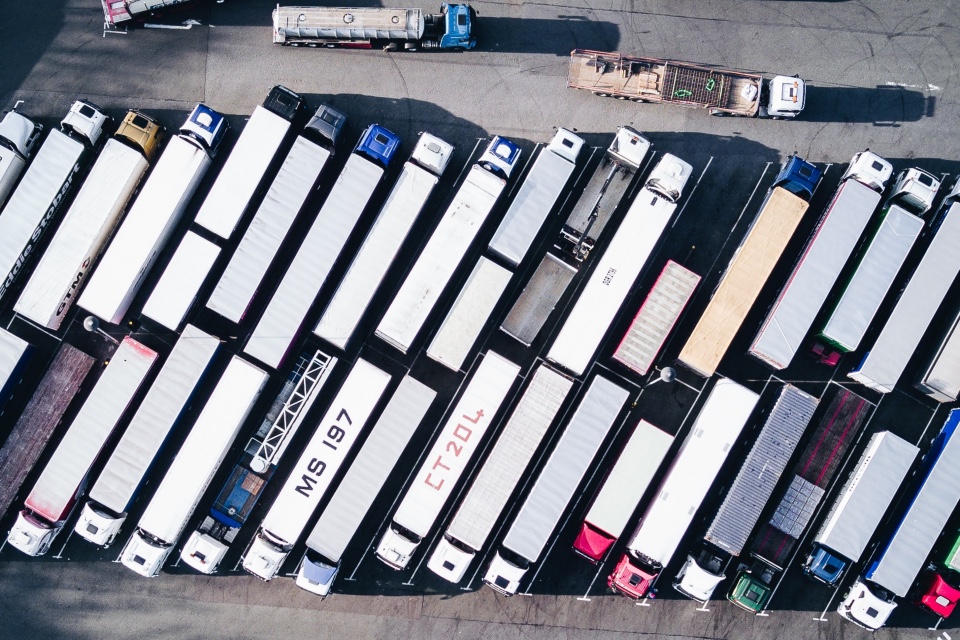
Photo by Vitaly Gariev on Unsplash