


Manufacturing is one of the UK’s most ambitious sectors, having embraced digitalisation with open arms. With 90% of UK manufacturers planning or progressing with smart factory initiatives, it’s safe to say that technology is already having a marked impact by making firms more efficient than ever.
AI is the latest hot topic for companies across many other sectors, though 53% of UK manufacturers are already implementing or using AI or machine learning in their factories.
When it comes to implementing new technology in your factories and throughout your supply chain, strategy is a paramount concern. Adopting new technologies without a long-term plan is unlikely to yield the results you might have hoped for. With that thought in mind, we took a look at five ways to ensure your digitalisation strategy goes smoothly, with insight from Basingstoke-based custom cable assemblies manufacturer, GTK UK…
Investing in connected data infrastructure
For most manufacturers, the first step in adopting smart manufacturing infrastructure involves using Internet of Things (IoT)-integrated items and smart sensors that can gather real-time data from machines and production lines.
These data-driven insights are at the core of the smart manufacturing revolution, helping establish bottlenecking and inefficiencies in various areas of your business. However, taking the correct steps in the earliest stages of adopting this tech is vital in ensuring the scalability and long-term function of your IoT integration.
Edge computing – i.e. processing some of the information from your sensors locally, close to your machines, rather than sending all data to the cloud for processing – will help reduce latency, enabling your machines to make split-second decisions when and where required. It also means you’re protected in the event of outages to your system.
Forecasting outages and maximising ROI
Once you’ve established your data sources and compiled information about the efficiency of your machinery, this can be used to help your business adopt predictive analytics. Applying AI machine learning models to parameters like machinery vibration, temperature and oil condition will help predict equipment breakdowns.
Forecasting equipment breakdowns means you can pre-empt maintenance and reduce, or possibly even eliminate, downtime. This is a great place to begin applying your newly acquired data-driven insight, as it yields a great ROI.
Correct AI application can help you reap further financial benefits too. Once you’ve input enough data, it’ll be able to help advise on how to balance production runs with workforce availability, raw material supply and customer demand in near-real-time.
Utilising scalable cloud security
Manufacturing environments can’t rely solely on cloud connectivity – as mentioned before, the risks associated with machinery downtime are simply too costly. However, once you’ve begun adopting smart technologies, a hybrid approach that utilises cloud storage and functionality for advanced analytics, simulation and data-sharing between sites will provide both speed and security.
Cloud security should be paired with employee training on phishing and best practices to protect company infrastructure, as human error can still lead to weak spots in your security system.
Updating your security practices to integrate cloud-based functionality gives your business a great chance to future-proof in line with further growth. Aligning with international standards like ISO 27001 or the UK’s Cyber Essentials scheme will ensure high security standards, align with compliance as regulations tighten and also help drive new business, particularly if working with sensitive data.
Supply chain optimisation and digitalisation
Establishing smart functionality throughout your supply chain will help get the most out of your smart factory. Digitising your relationships with your suppliers, logistics and shipping partners, and customers will help them benefit from the visibility you’ve established and help make your entire supply chain more transparent, responsive and resilient.
A unified data platform for the entire network can provide end-to-end visibility and help you streamline your supply chain. Finding out that parts shipments have been delayed might help you plan for the delivery of other components more accurately.
These changes can enable you to dynamically reroute, or consolidate shipments, or reduce the amount of stock you’re holding on-site, enabling a more agile response to roadblocks in the shipping chain.
Train and implement a culture of change
Ultimately, any digitalisation strategy needs to include a focus on the people implementing, actioning and using these tools every day. Ongoing training must be provided to ensure your workforce feels confident and supported, not replaced.
Train team members to increase their data-handling literacy, ensuring they’re comfortable using any new digital tools. It’s also important that this change doesn’t just come from the top down; forming cross-functional teams with ‘digital champions’ will increase your team’s autonomy and help drive technology adoption from within.
Implementing evolving KPIs that change as the wider company becomes more accustomed to using the technology is the best way to benchmark your success. Tracking should cover not only cost and output but cultural metrics like employee adoption and adaptability in response to disruption.
So, your technology strategy must be able to cover your people and culture as well as the machines themselves. Taking a holistic approach to implementing efficiency, visibility and security while training the people that will be using and operating your technology is an effective way to make the most out of your digitalisation.
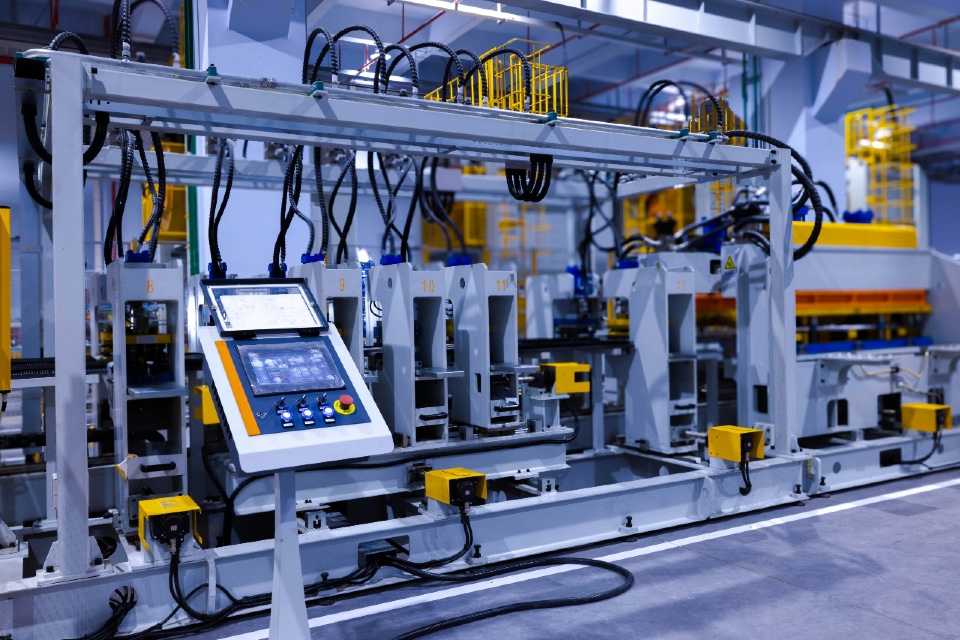
Photo by Homa Appliances on Unsplash