



Distribution network design has moved from efficiency exercise to resilience strategy for many retail leaders attending the Total Supply Chain Summit. Volatility is a constant: demand spikes, supply chain disruption, transport bottlenecks, labour constraints and geopolitical risk all place pressure on traditional models built purely for cost optimisation. The retailers performing strongest are those rebalancing centralisation, regional fulfilment and nearshoring to create networks that absorb disruption without sacrificing service…
The limits of centralisation
Highly centralised distribution centres (DCs) delivered economies of scale and operational simplicity for years. But recent events have exposed their vulnerability. A single-site outage, whether due to system failure, industrial action or severe weather, can paralyse national operations.
As such, retailers are reassessing over-concentration risk. While mega-DCs still play a role, they are increasingly complemented by regional nodes that provide buffer capacity and faster response to local demand fluctuations.
Regional hubs for speed and flexibility
Regional fulfilment centres and urban micro-hubs are gaining traction, particularly for omnichannel retail. These facilities reduce last-mile distance, support same-day or next-day delivery promises and allow inventory to be positioned closer to customers.
From a resilience perspective, regional hubs create optionality. If one node experiences disruption, volume can be reallocated to another. However, this requires investment in inventory visibility, intelligent order routing and agile transport planning.
The key is often not simply adding more nodes, but ensuring systems can dynamically allocate stock and orders across them.
Nearshoring and supplier proximity
Beyond warehousing, distribution resilience increasingly depends on upstream sourcing. Many retailers are exploring nearshoring or diversified supplier bases to reduce exposure to long, fragile supply routes.
While nearshoring may not always be the lowest-cost option, it reduces lead time variability and improves replenishment agility, both critical for high-turn categories and seasonal peaks.
For distribution leaders, closer supplier proximity often translates into more predictable inbound flows and lower safety stock requirements.
Data-led network design
Modern network redesign is underpinned by analytics. Retailers are using scenario modelling to test disruption events, evaluate cost-to-serve by region and assess trade-offs between inventory duplication and risk exposure.
Control tower visibility and predictive analytics allow leaders to simulate the impact of capacity loss or transport delays before they occur, strengthening contingency planning.
Balancing resilience with margin
Resilience has a cost. More nodes, diversified suppliers and flexible capacity can increase operational complexity and overhead. The most successful retailers are explicit about where resilience is most valuable, high-margin lines, peak periods, or premium service tiers, and align investment accordingly.
Distribution networks are no longer designed solely for efficiency. They are designed for endurance. Retailers that build flexibility into their physical footprint and supplier base will be better equipped to protect service levels, and customer trust, in an unpredictable trading environment.
Are you searching for Distribution solutions for your organisation? The Total Supply Chain Summit can help!
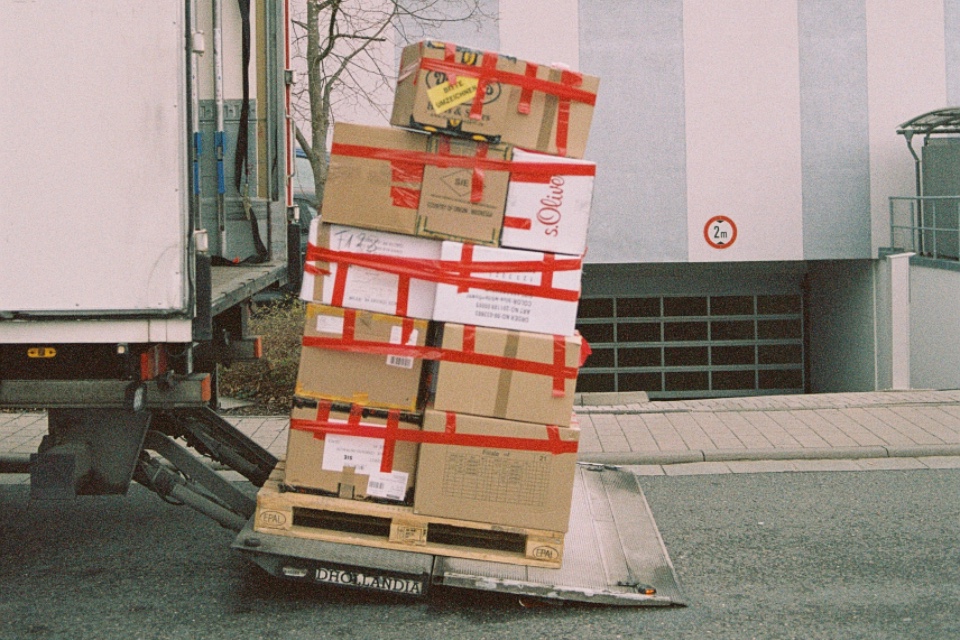
Photo by freestocks on Unsplash