


Modern supply chains face increasing pressure to deliver products faster, more accurately and with complete visibility. Customers expect real-time updates, transport costs continue to rise, and businesses must balance efficiency with sustainability.
As a result, delivery management systems have become an essential technology for organisations looking to streamline logistics operations and improve customer service. From intelligent route planning to real-time delivery tracking, these platforms help supply chain teams gain greater control over the final stage of the logistics journey.
Whether you’re managing a regional fleet or coordinating thousands of daily deliveries, understanding what these systems offer is becoming increasingly important.
Delivery Management Systems at a Glance
| Best suited for | Manufacturers, wholesalers, retailers, distributors, 3PLs |
| Primary purpose | Plan, manage and monitor deliveries |
| Key benefits | Improved visibility, reduced costs, faster deliveries, better customer experience |
| Typical users | Logistics managers, transport planners, fleet managers, warehouse teams |
| Integrates with | ERP, WMS, TMS, CRM and inventory management platforms |
What is a delivery management system?
A delivery management system is a software platform that helps businesses plan, schedule, execute and monitor deliveries throughout the final stage of the supply chain.
Often referred to as delivery management software or logistics delivery management software, these solutions centralise delivery operations into a single platform, replacing spreadsheets, paper manifests and manual scheduling.
Most platforms include features such as:
- Automated route optimisation
- Driver scheduling and dispatch
- Electronic Proof of Delivery (ePOD)
- GPS vehicle tracking
- Live customer notifications
- Delivery exception management
- Digital signatures and photo capture
- Performance reporting and dashboards
Delivery Management Software
Modern delivery management software enables organisations to plan, schedule and monitor deliveries through a single digital platform. By automating dispatch, route planning and proof of delivery, these systems help logistics teams improve operational visibility while reducing manual administration.
When comparing solutions, buyers should consider scalability, integration with warehouse and transport management systems, mobile functionality for drivers and the reporting tools available to support continuous operational improvement.
Logistics Delivery Management Software
Unlike standalone delivery tools, logistics delivery management software often supports wider transport operations by integrating delivery planning with warehouse management, inventory systems and customer communications.
For organisations managing complex supply chains, these platforms can improve coordination between warehouses, transport teams and customer service departments while helping reduce delays and improve delivery performance.
Delivery Tracking Management System
A modern delivery tracking management system provides real-time visibility into deliveries from dispatch through to proof of delivery.
Customers increasingly expect accurate delivery updates, while logistics managers need live operational information to respond quickly when delays occur. When evaluating suppliers, consider tracking accuracy, customer notifications, reporting capabilities and integration with existing logistics platforms.
Many solutions are cloud-based, allowing logistics teams, drivers and customer service departments to access the same information in real time.
How does delivery management software work?
Modern delivery platforms connect with warehouse and business systems to create a seamless workflow.
A typical process includes:
- Customer orders are imported automatically.
- Deliveries are grouped and scheduled.
- Routes are optimised based on location, traffic and delivery windows.
- Drivers receive jobs through a mobile app.
- Customers receive automated ETA notifications.
- Deliveries are tracked in real time.
- Electronic proof of delivery is captured instantly.
- Management dashboards analyse performance and identify opportunities for improvement.
This reduces manual administration while giving organisations greater operational visibility.
What operational challenges do delivery management systems solve?
Limited visibility
Without a central platform, organisations often struggle to know where vehicles are or whether deliveries remain on schedule.
A delivery tracking management system provides live tracking, enabling teams to respond quickly when delays occur.
Rising transport costs
Fuel, labour and vehicle costs continue to increase.
Route optimisation helps reduce unnecessary mileage, improve vehicle utilisation and lower operating costs.
Customer expectations
Customers increasingly expect accurate delivery times and proactive communication.
Automated notifications and live tracking improve customer satisfaction while reducing inbound “Where is my order?” enquiries.
Manual administration
Paper-based delivery notes and spreadsheets create unnecessary administrative work.
Electronic documentation speeds invoicing, reduces disputes and improves audit trails.
Sustainability targets
More efficient routes help reduce fuel consumption and carbon emissions, supporting wider ESG objectives.
Key benefits for supply chain teams
Implementing a modern logistics delivery management software solution can deliver measurable improvements across operations. Benefits include:
- Greater delivery visibility
- Improved fleet utilisation
- Reduced failed deliveries
- Lower transport costs
- Better driver productivity
- Faster customer communication
- Improved compliance
- Enhanced reporting and analytics
- More accurate delivery forecasting
- Better customer experience
Many organisations also find that improved operational data supports continuous improvement initiatives across the wider supply chain.
Future trends in delivery management
Delivery technology continues to evolve rapidly. Over the coming years, organisations can expect increased adoption of:
- AI-powered route optimisation
- Predictive delivery ETAs
- Electric vehicle fleet integration
- Autonomous delivery technologies
- Advanced delivery analytics
- Carbon emissions reporting
- Greater automation between warehouse, transport and delivery platforms
As supply chains become increasingly connected, delivery management software will play an even more central role in end-to-end logistics visibility.
Frequently Asked Questions
What is delivery management software?
Delivery management software helps businesses plan, monitor and optimise deliveries from dispatch through to proof of delivery.
Who uses delivery management systems?
Manufacturers, retailers, wholesalers, distributors, logistics providers, fleet operators and third-party logistics companies.
What is a delivery tracking management system?
A delivery tracking management system provides real-time visibility into vehicle locations, delivery progress and customer updates throughout the delivery journey.
Can delivery management software integrate with ERP systems?
Yes. Most leading platforms integrate with ERP, WMS, TMS, CRM and inventory management systems to streamline logistics operations.
Product Guide: Leading Delivery Management System & Supply Chain Software Providers
Selecting the right delivery management solution involves much more than comparing software features. Organisations should evaluate how well each platform aligns with their operational requirements, existing technology infrastructure and long-term growth plans.
Whether you’re investing in your first delivery management system or replacing legacy software, consider suppliers that can demonstrate strong integration capabilities, proven customer support and experience within your industry.
What to look for in a delivery management supplier
Before beginning your procurement process, consider the following evaluation criteria:
Integration capabilities
A delivery management platform should integrate seamlessly with your existing ERP, warehouse management system (WMS), transport management system (TMS), CRM and finance software to minimise manual administration and improve data accuracy.
Scalability
Choose a solution that can grow alongside your business, whether you’re expanding your fleet, opening new distribution centres or increasing delivery volumes.
User experience
Simple, intuitive interfaces for planners, warehouse teams and drivers help reduce training requirements and improve user adoption.
Real-time visibility
Look for platforms that provide live vehicle tracking, delivery status updates, electronic proof of delivery (ePOD) and comprehensive reporting dashboards.
Automation
Features such as automated route planning, dispatching, customer notifications and delivery scheduling can significantly improve operational efficiency while reducing administrative workloads.
Reporting and analytics
Comprehensive reporting enables organisations to monitor delivery performance, identify bottlenecks, improve fleet utilisation and support continuous improvement initiatives.
Customer support
Implementation, onboarding, ongoing technical support and regular software updates should all form part of your supplier evaluation process.
Supplier Directory
The following organisations provide technology, consulting and specialist services that support delivery management, logistics optimisation and wider supply chain operations. Many of these companies also meet with buyers at the Total Supply Chain Summit, providing supply chain and logistics professionals with the opportunity to discuss projects, compare solutions and identify potential partners through pre-arranged one-to-one meetings.
Avetta
Supply chain risk management and supplier compliance solutions helping organisations improve visibility, contractor management and operational resilience.
Website: www.avetta.com
Billigence
Data analytics and business intelligence consultancy helping organisations transform operational data into actionable insights for supply chain and logistics decision-making.
Website: https://billigence.com/
Celtrino
Accounts payable automation and e-invoicing solutions that streamline financial processes across complex supply chains.
Website: https://celtrino.com/
Connected Load Carrier
Digital freight and load carrier solutions designed to improve transport visibility, collaboration and logistics efficiency.
Website: www.connected-load-carrier.com
DP World
Global provider of end-to-end supply chain, logistics, ports, warehousing and freight solutions supporting international trade and distribution.
Website: www.dpworld.com
Elisa Industriq
Industrial AI and manufacturing software helping organisations improve production efficiency, quality and supply chain performance.
Website: www.elisaindustriq.co.uk
Fulfilmentcrowd
Scalable fulfilment and order management platform supporting eCommerce businesses with warehousing, inventory management and delivery operations.
Website: https://www.fulfilmentcrowd.com/
ID8 Global
Supply chain consultancy specialising in operational improvement, procurement and logistics transformation programmes.
Website: https://www.id8-global.com/
Kardex
Automated storage, retrieval and intralogistics solutions designed to improve warehouse efficiency, inventory accuracy and order fulfilment.
Website: www.kardex.com
Markem-Imaje
Product identification, coding and traceability solutions supporting compliance, product integrity and supply chain visibility.
Website: www.markem-imaje.com
Miebach Consulting
International supply chain and logistics consultancy specialising in strategy, warehouse design, automation and digital transformation.
Website: https://www.miebach.com/uk/en
Sage
Enterprise business management and finance software supporting inventory, purchasing, financial management and operational visibility.
Website: www.sage.com
Sofco
Transport management software (TMS) helping organisations optimise transport planning, execution, carrier management and freight operations.
Website: https://sofco.co.uk/
Solvares
Route optimisation and field service scheduling software helping organisations improve delivery planning, fleet utilisation and customer service.
Website: www.solvares-logistics.com
Questions to Ask Potential Suppliers
Before selecting a delivery management system, consider asking prospective providers:
- How quickly can the platform be implemented?
- Which ERP, WMS and TMS platforms do you integrate with?
- How is customer delivery information protected?
- What reporting and analytics are included?
- How are software updates delivered?
- What onboarding and training do you provide?
- Can the solution support future business growth?
- What ROI have similar customers achieved?
Meet Supply Chain Suppliers
Whether you’re reviewing your logistics technology stack or planning a wider digital transformation, speaking directly with experienced suppliers can accelerate the procurement process.
The Total Supply Chain Summit brings together senior supply chain professionals and leading solution providers through a programme of pre-arranged one-to-one meetings, networking opportunities and expert-led seminars. It’s an efficient way to compare delivery management systems, discover new technologies and identify partners that can support your organisation’s long-term logistics strategy.
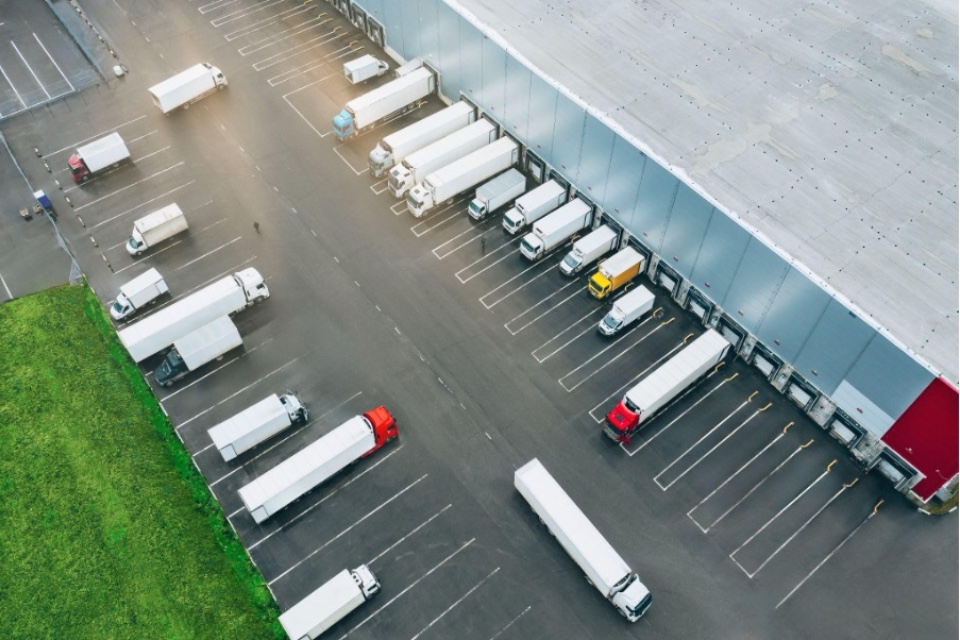
Photo by RoseBox رز باکس on Unsplash