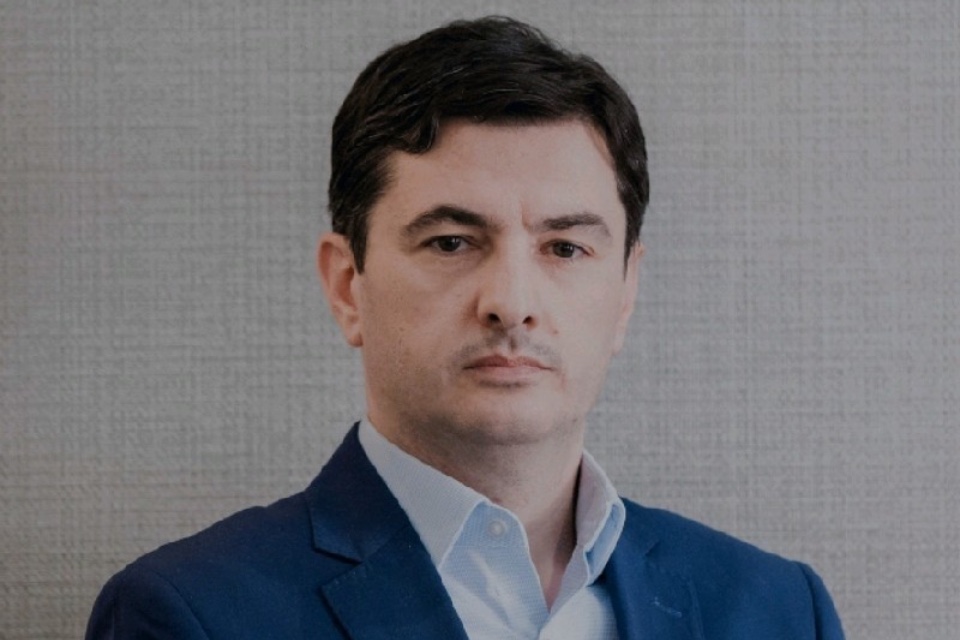



In this edition of ‘5 Minutes With’, we speak to Liam Launders, Head of Sales at WTA Group, about the realities of managing global supply chains in an increasingly uncertain world. With trade policy shifts, geopolitical tensions and fluctuating demand reshaping international logistics, Launders shares his perspective on how businesses can build more resilient supply chains…
Tell us about your company, products and services.
WTA Group helps businesses move goods around the world without the usual headaches. We provide end-to-end logistics support across sea, air, road and rail, alongside customs, warehousing and supply chain management. A big part of what we do is giving customers visibility and control, so they always know where their goods are and what’s coming next. We focus heavily on building long-term partnerships and making international trade as simple and stress-free as possible.
What have been the biggest challenges the Supply Chain industry has faced over the past 12 months?
Where do you start? The biggest challenge has been constant change. Trade policy, particularly in the US, has been unpredictable and hard to keep up with, which makes planning really difficult. Add to that ongoing geopolitical tensions and fluctuating demand, and it’s been a tough year for anyone trying to keep supply chains stable.
And what have been the biggest opportunities?
The disruption has forced a lot of businesses to stop and rethink where and how they trade. With the US becoming more challenging, it’s been a great opportunity to look at alternative markets. India, in particular, is interesting right now, especially with new trade deals on the table. We’re seeing more companies diversify their supply chains rather than relying too heavily on one region.
What is the biggest priority for the Supply Chain industry in 2026?
Resilience. Businesses need supply chains that can cope with disruption, not just run efficiently when everything goes to plan. Having better visibility, stronger partnerships and more flexible routes will be key so companies can react quickly when things change.
What are the main trends you are expecting to see in the market in 2026?
Better use of data and technology is a big one. More businesses are investing in tools that give them clearer insight into their supply chains, rather than working in the dark. We’ll also see continued diversification away from single-country sourcing, as well as more focus on simplifying networks to reduce risk and cost.
What technology is going to have the biggest impact on the market this year?
AI, without a doubt. It’s already helping with forecasting, planning and problem-solving, and that’s only going to grow. Used properly, AI can help businesses spot issues early and make quicker, better decisions.
In 2027 we’ll all be talking about…?
Smarter, more connected supply chains. Less guesswork, more insight, and hopefully fewer nasty surprises. It would be great to see better relations with the EU and a potential return to the customs union.
Which person in, or associated with, the Supply Chain industry would you most like to meet?
Chris Bryant MP. I’d love to have a proper conversation about improving trade terms with the EU and making life easier for UK importers and exporters.
What’s the most surprising thing you’ve learnt about the Supply Chain sector?
How much it still comes down to people. Technology is important, but relationships and trust are what really keep things moving when problems arise.
You go to the bar at the Total Supply Chain Summit – what’s your tipple of choice?
The haziest craft beer available!! If not a glass of full-bodied red.
What’s the most exciting thing about your job?
Helping businesses break down trade barriers and expand into new markets.
And what’s the most challenging?
The impact of geopolitics. Logistics is so closely tied to global politics, and when things shift quickly it creates uncertainty and volatility across the market.
What’s the best piece of advice you’ve ever been given?
Be honest. People would much rather hear the truth than be given fluff or over-promises.
Peaky Blinders or Stranger Things?
I have never watched either of them. Get on Slow Horses, what a show!