


2026 presents a complex operating environment for supply chain and logistics leaders. Demand volatility, persistent labour shortages and cost inflation (across fuel, warehousing and wages) are putting sustained pressure on distribution networks. The challenge is not simply to cut cost, but to maintain service reliability while building longer-term resilience…
Capacity planning in an uncertain market
Distribution capacity is no longer static. Seasonal peaks, promotional cycles and unpredictable consumer behaviour require agile network planning.
Forward-looking organisations are investing in scenario modelling to stress-test capacity assumptions. Rather than relying solely on historical data, they are incorporating real-time sales insight, supplier lead times and macroeconomic indicators to anticipate bottlenecks earlier.
This shift allows operators to flex capacity (through temporary space, additional transport lanes or alternative carriers) before disruption escalates.
Addressing labour constraints
Labour shortages remain a structural issue across warehousing and transport. Competition for skilled drivers and experienced warehouse operatives has intensified, while regulatory and compliance demands add further complexity.
In response, many logistics businesses are focusing on workforce planning as a strategic function rather than a reactive one. This includes:
- Investing in training and multi-skilling
- Improving shift flexibility
- Leveraging temporary labour partnerships
- Enhancing employee engagement to improve retention
Automation also plays a role. Warehouse automation (from goods-to-person systems to automated sorting and robotics) can alleviate pressure in high-volume environments. However, successful implementation requires integration with workforce strategy rather than wholesale replacement assumptions.
Flexible warehousing models
The traditional long-term lease model is increasingly complemented by flexible warehousing solutions. Short-term capacity agreements, shared-user facilities and on-demand space platforms allow organisations to scale footprint without overcommitting fixed costs.
For public sector supply chains, flexibility also supports surge response during emergencies or seasonal demand spikes. The key is balancing flexibility with operational control and service standards.
Transport optimisation and cost control
Transport remains one of the most inflation-sensitive components of distribution. Rising fuel costs, vehicle maintenance and compliance requirements continue to erode margins.
Advanced route optimisation tools, real-time fleet visibility and dynamic scheduling are helping operators reduce empty miles and improve asset utilisation. Consolidation strategies and cross-docking approaches are also being revisited to minimise handling and transport inefficiencies.
Strategic resilience over short-term reaction
In 2026, distribution under pressure demands strategic thinking. Organisations that treat automation, workforce planning and flexible capacity as integrated levers (rather than isolated fixes) are better positioned to manage volatility.
The most resilient supply chains are not those with the lowest costs, but those capable of adapting quickly without compromising service. Under sustained pressure, adaptability is the true competitive advantage.
Are you searching for Distribution solutions for your organisation? The Total Supply Chain Summit can help!
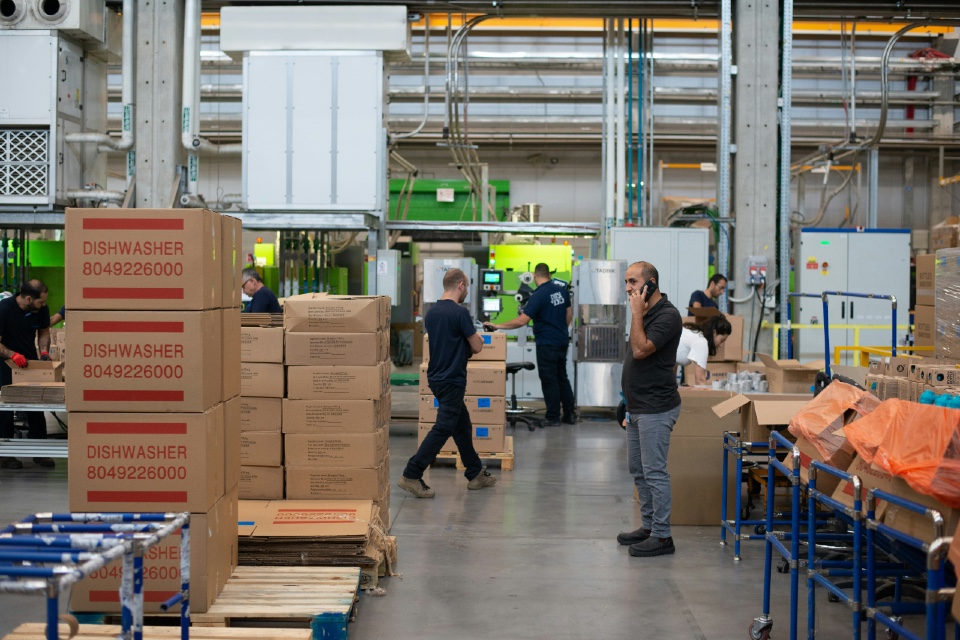
Photo by Remy Gieling on Unsplash