

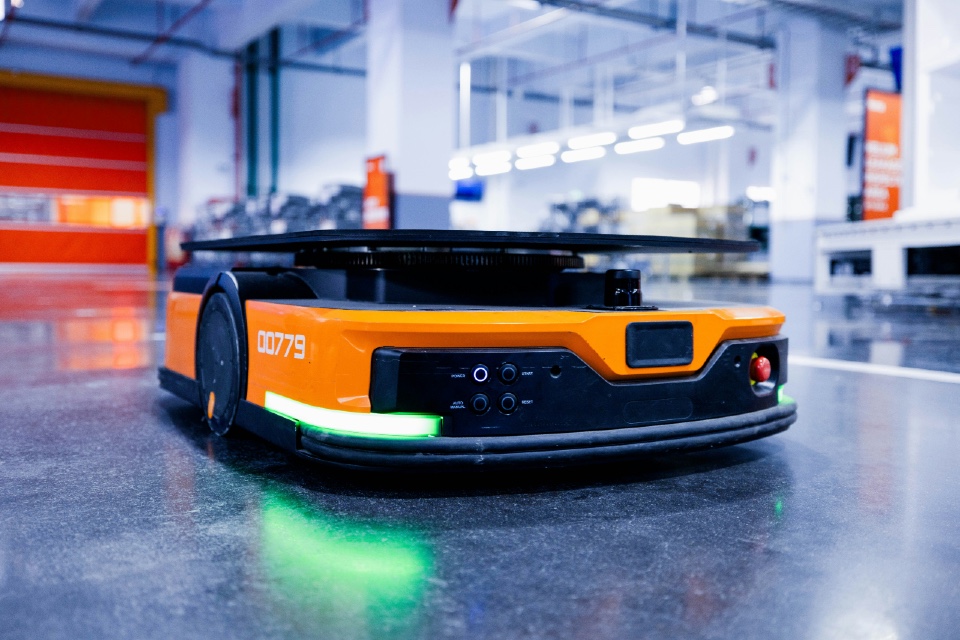
E-commerce fulfilment operations are under constant pressure to deliver faster, cheaper and more accurately, often at peak volumes that can fluctuate dramatically. In response, many organisations at the Total Supply Chain Summit are investing in automation, from goods-to-person systems and autonomous mobile robots (AMRs) to AI-driven picking optimisation. However, the real differentiator is not automation alone, but how effectively it is orchestrated through Warehouse Management Software (WMS)…
From standalone systems to integrated ecosystems
Historically, automation technologies were often deployed as standalone solutions, operating alongside, rather than within, core warehouse systems. This created silos, inefficiencies and limited visibility. Modern WMS platforms are evolving into central orchestration layers, coordinating tasks across robotics, inventory, labour and order management systems. This enables a more synchronised operation, where work is dynamically allocated based on real-time conditions.
For example, a WMS can direct high-priority orders to automated picking systems, while routing lower-priority tasks to manual teams, optimising both speed and resource utilisation.
Balancing automation and human labour
Despite advances in robotics, human workers remain essential in e-commerce fulfilment, particularly for exception handling, quality control and complex picking tasks. The challenge is to create hybrid workflows where automation and human labour complement each other. WMS platforms play a key role here, ensuring tasks are assigned to the most appropriate resource, whether that’s a robot, a picker or a packing station.
This requires intuitive interfaces and clear task management, so staff can interact with automated systems without disruption.
Leveraging AI for optimisation
AI is increasingly embedded within WMS platforms to enhance decision-making. This includes:
- Dynamic slotting to optimise product placement based on demand patterns
- Order batching and wave planning to maximise picking efficiency
- Labour forecasting to align staffing with expected volumes
By continuously analysing data, AI-driven systems can adapt operations in real time, helping fulfilment centres respond to changing demand and minimise bottlenecks.
Integration is critical
For automation to deliver full value, integration is essential. WMS must connect not only with robotics and warehouse control systems (WCS), but also with e-commerce platforms, transport management systems and inventory systems. Poor integration can lead to delays, errors and underutilised automation, undermining the business case for investment.
Working with the right suppliers
Selecting the right partners is key to success. E-commerce operators should look for providers that offer:
- Proven integration capabilities with automation technologies
- Scalable solutions that can adapt to growth and peak demand
- Strong implementation support and change management expertise
- Ongoing optimisation and system updates
- Orchestrating fulfilment at scale
As e-commerce continues to grow, fulfilment operations must become more agile and efficient. The most successful organisations are those that treat WMS not just as a system of record, but as a real-time orchestration engine.
By effectively integrating automation, AI and human workflows, e-commerce leaders can build fulfilment operations that are not only faster and more accurate, but also resilient in the face of constant change.
Are you searching for Warehouse Management Software solutions for your organisation? The Total Supply Chain Summit can help!
Photo by Homa Appliances on Unsplash