

In the world of FMCG and retail, pallet pools have a natural tendency to expand disproportionately to actual demand.
It usually starts with a few logical, defensive choices:
- a supply chain manager adds a buffer to avoid a shortage
- a retailer keeps extra stock to ensure availability
- a logistics provider holds on to a few more pallets to safeguard against operational disruptions
Individually, these are rational decisions. Collectively, they create a structural surplus and unnecessary capital tied up in the asset pool.
The root cause is fragmentation. As pallets move between production sites, transport hubs and retail locations, operational knowledge breaks at every handover. When you lose sight of where pallets accumulate or how long they’ve been sitting idle, the only safe (and logical) response is to increase the pallet pool.
By maintaining a continuous flow of operational knowledge across handovers, organisations can see where circulation slows down, where buffers are compensating for uncertainty and where the pool can safely be reduced without risking availability.
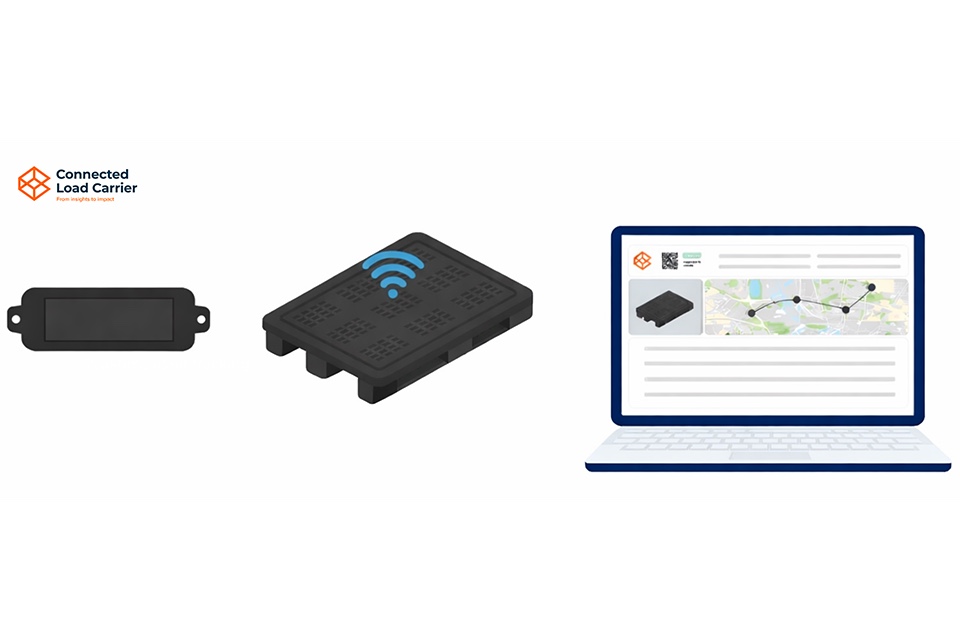
Connected Load Carrier (CLC) enables this by ensuring that every pallet movement is automatically captured and verified across locations, creating a continuous, shared operational reality across systems and partners.
Delivered as a fully managed service, organizations can start without significant upfront investment and scale in line with operational value. All while existing ERP, WMS and TMS systems remain unchanged and are complemented by continuous asset-level knowledge.
The result speaks for itself: smaller pools, faster rotations and structural reduction of unnecessary assets.
Stop over-investing in idle assets and start saving costs today.
Book a call with our sales representative to optimize your asset pool.