

As modern supply chains move faster and become more interconnected, the expectations for speed and resilience continue to rise. Yet, despite technological leaps, a critical challenge persists: the loss of operational knowledge during asset transitions.
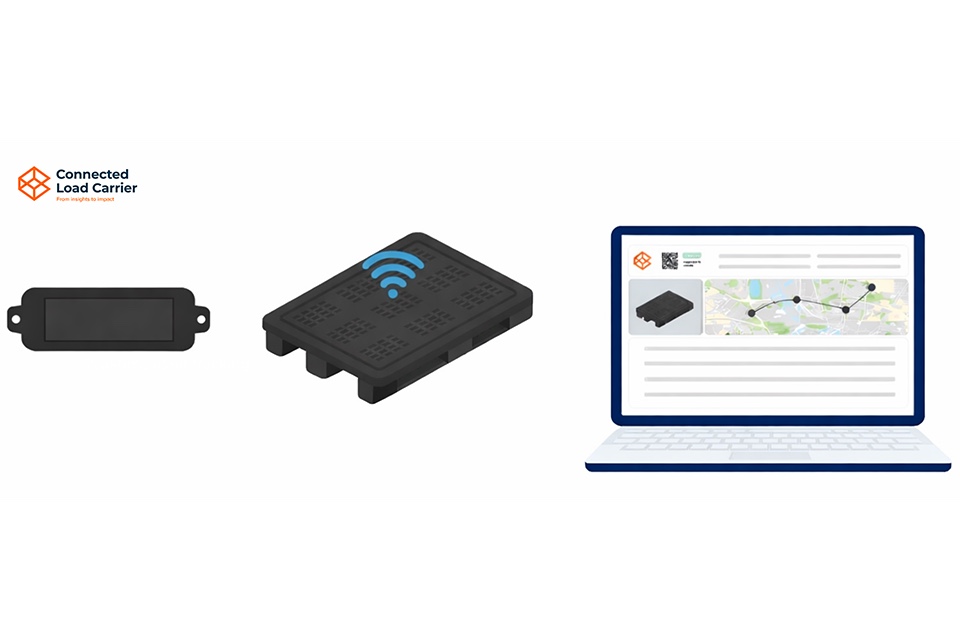
Our global networks rely on reusable assets (like pallets, containers and trailers) to act as the physical glue between stakeholders in the supply chain. Yet, at every handover point, the operational thread often breaks. This means the asset continues its journey, but its history resets. Information about its origin, dwell time and previous cargo becomes fragmented across different systems and stakeholders.
“In a modern supply chain, an asset without its history is a liability,” says Carl McInerney, Regional Commercial Director GB & Ireland at Connected Load Carrier. “True resilience is no longer only about moving goods from A to B. Now it’s about ensuring that the operational knowledge behind that movement never resets. When an asset carries its own context with it, the entire supply chain gains the power to act, rather than just react.“
In the past, manual workarounds and inventory buffers could absorb these gaps. Today’s environment is far less forgiving. Small gaps in asset visibility now scale into significant operational costs.
This is why leading organizations are rethinking the role of their reusable assets. They’re moving toward a model where assets are no longer passive but carry their own context and history across every link in the supply chain.In the next era of logistics, continuity is the key to coordination. Those who maintain a seamless flow of information across handovers will be better positioned to respond to disruptions and scale with confidence.
Find out more at https://www.connected-load-carrier.com.