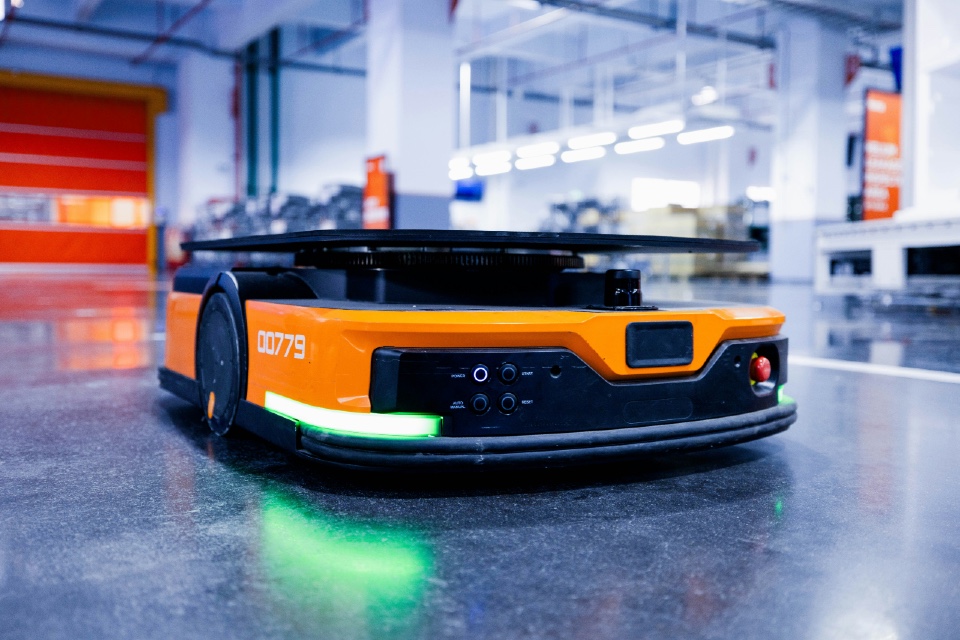


Warehouse operations have been transformed in recent years as organisations have leveraged real-time information and automation to streamline processes and improve efficiency. The improvement in end- to- end logistics visibility has also accelerated the adoption of cross docking, allowing warehouse operators to deliver the speed of turnaround required by expanding ecommerce business.
With accurate inbound visibility combined with up-to-date outbound demand, third party logistics (3PL) companies have leveraged warehouse management optimisation tools to create a smooth, seamless and highly efficient cross docking model. It is, however, also vital to invest in an integrated printing solution to support a fundamental component of the cross docking process: relabelling.
The integration of robust, reliable and high-quality printers into the warehouse management process enables organisation both to seamlessly relabel goods between the unload and reload processes; and also leverage linerless print to optimise available space, improve worker safety and meet clients’ diverse label requirements. As Paul Kim, Managing Director, BIXOLON Europe GmbH, explains…
Cross Docking Expansion
The rise in ecommerce has accelerated demand for cross docking, the process that allows companies to transfer goods from inbound to outbound docks with little or no storage in between. Effective cross docking enables faster turnaround times and facilitates quick order fulfilment. It also reduces the costs associated with warehouse storage and handling and can streamline last mile delivery and minimise expensive empty miles.
Given the rapid expansion of the global cross docking services market, which is expected to attain a market value of US$340 billion by the end of 2030, third party logistics’ (3PLs) competitive strategies are increasingly founded on the speed, quality and efficiency of cross docking services. By reducing the amount of time inventory spends in the warehouse and consolidating shipments from multiple suppliers, efficient cross docking processes can transform speed of delivery and optimise transport models, enabling ecommerce providers to cost effectively meet customer expectations.
While warehouse optimisation techniques and the use of real-time tracking have enabled the rapid expansion of cross docking, fast, effective printing is also vital to ensure efficient operations. Every inbound item not only has to be unloaded, assessed and reallocated to the correct dock but also accurately and quickly relabelled as part of that process.
Reliable Print Process
While the demands and objectives of cross docking are consistent, every 3PL operation will have been set up with a slightly different model to reflect the timing of technology investment, client demands and space constraints. Each company will also have a different set of warehouse skills and challenges in recruiting and retaining the required expertise. As such, every organisation faces different challenges and bottlenecks within the process that requires a holistic approach to resolve.
Effective integration that embeds the right print solution at every stage of the warehouse process is key to entrenching reliability and ease of use throughout. It also supports effective optimisation of the available space and provides staff with a consistent, intuitive print experience. A flexible range of printing solutions underpins a slick, cross docking process. From rugged, mobile printers that allow warehouse operatives to gain easy access to pallets and boxes, to printers integrated into forklift trucks and larger static printers that provide faster throughput, organisations require a single, print solution tightly integrated into warehouse management system.
Organisations also need flexibility. From intuitive spare parts replacement and battery charging, to minimising training needs, to swapping printers quickly to respond to changing requirements and warehouse processes; a consistent range of print solutions from one provider delivers the high level of print availability required to support highly efficient warehouse processes.
Future Proofing
Print solutions also need to support fast evolving warehouse automation and improvements in operations here. With the increasing use of camera based visual inspection systems that further improve productivity, by reading multiple barcodes in a single frame, for example, the quality of the printed labels must be excellent. Indeed, as the market transitions away from barcodes towards next generation technology including augmented QR codes from GS1, which will provide access to additional digital information for customers; consistent, reliable and high-resolution printing is now a fundamental requirement.
An important addition to the process is the use of linerless printing, especially with mobile printing. Linerless solutions eradicate the risk to warehouse operators traditionally associated with wasted liners left on the warehouse floor. Linerless print material also demands less storage space, which combined with the flexibility of mobile printers, enables operators to further optimise the existing warehouse space.
Linerless printing also allows companies to seamlessly manage the different print requirements of each client. Avoiding the constraints created by standard sized labels – which can lead to constant changes to support the needs of each client – linerless labels can be cut to the specific size required each time, making the entire process more flexible while also eradicating waste. The adoption of linerless printing is also enabling organisations to seamlessly support evolving packaging regulation, especially across Europe, which demands more information on each label.
Conclusion
As the efficiency and effectiveness of cross docking services fast become a competitive differentiator for 3PLs, the pressure is on to create a seamless process that can scale to meet evolving demands. 3PLs need both reliability and agility. They need to be able to immediately respond to client demands for more information on each label. They need to ensure the highest quality print to support an investment in visual inspection systems or the adoption of augmented QR codes. Critically, they need access to an extensive range of print solutions from one provider that ensures products are consistent to use and can be easily swapped in and out on demand.
Cross docking is a vital component of 3PL business models. As the market evolves, it is the flexibility and reliability delivered by a consistent and integrated print model that will be key to responding to client demands and supporting continuous improvement and innovation.
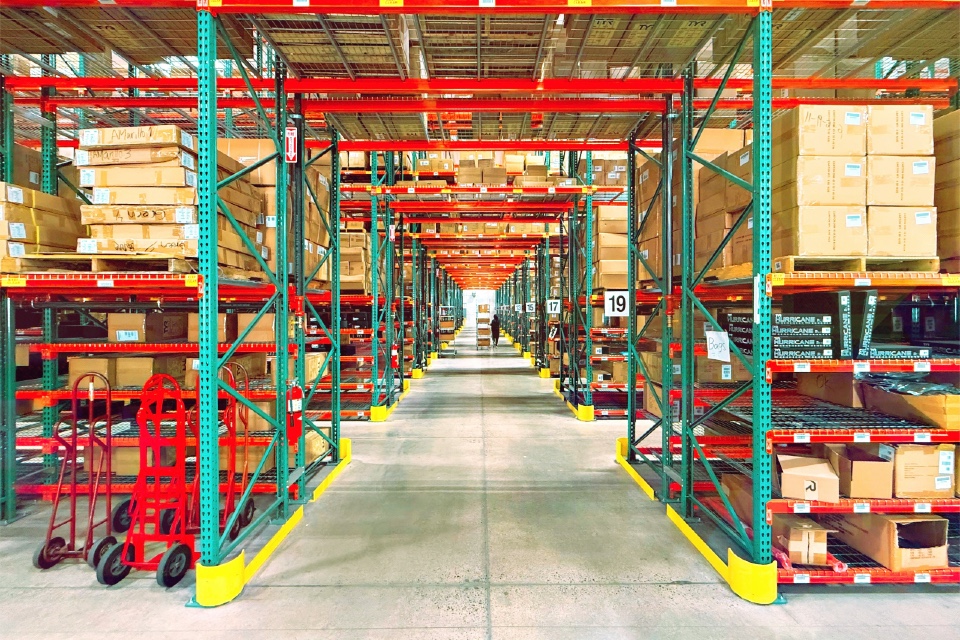
Photo by Russ Murray on Unsplash